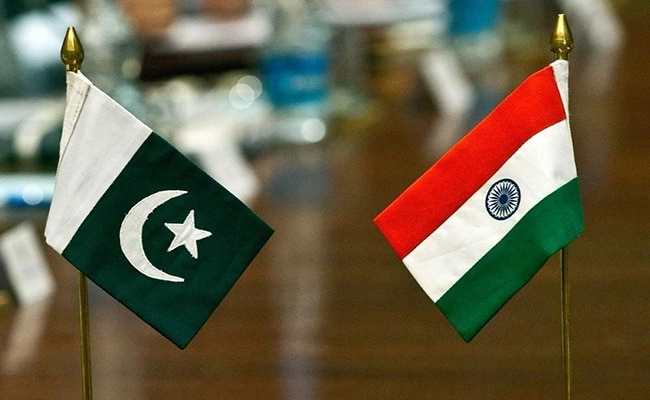
In a significant escalation of diplomatic tensions, Pakistan has declared an Indian diplomat persona non grata, demanding that he leave the country within 24 hours. This action reflects the deteriorating relationship between the two nations, which have a long history of conflict and rivalry, particularly over the Kashmir issue. The decision was communicated through formal channels, highlighting the seriousness with which Pakistan views the activities and presence of the Indian diplomat. It underscores the intricate web of geopolitical dynamics that influence South Asian relations and raises concerns about the potential for further escalation.
The term “persona non grata” is traditionally used in diplomatic contexts to indicate that a foreign diplomat is no longer welcome in the host country. This declaration often signifies a breach of diplomatic norms or an act that is perceived as hostile. In this case, Pakistan’s move is likely a response to ongoing tensions and perceived provocations from India, which has led to a cycle of retaliation and counter-retaliation. The expulsion of diplomats is a common tactic employed by nations to express discontent or signal a serious diplomatic rift.
This incident comes at a time when both nations are navigating complex issues, including border disputes, military engagements, and the impact of regional geopolitics. The expulsion could further strain diplomatic channels, making it challenging for both countries to engage in dialogue aimed at resolving longstanding conflicts. Analysts suggest that this could lead to increased military posturing on both sides, as each nation seeks to assert its sovereignty and protect its national interests. The international community will be watching closely to see how this situation unfolds, as it may have far-reaching implications for stability in South Asia.