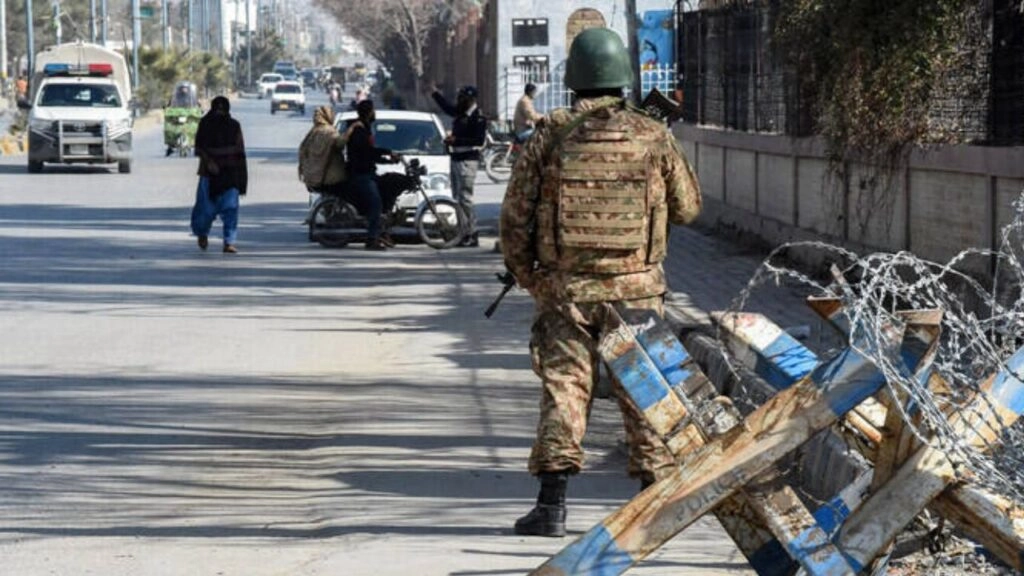
In a significant anti-terror operation conducted in Balochistan, Pakistan’s military has reported the elimination of 92 militants. This operation highlights the ongoing struggle against insurgency in the region, which has been plagued by violence and instability for many years. The military’s efforts aim to restore peace and security in Balochistan, a province rich in natural resources yet often overshadowed by conflict and unrest. The operation involved extensive planning and execution, reflecting the military’s commitment to addressing the threats posed by militant groups operating in the area.
However, the operation came at a heavy cost, with 15 soldiers losing their lives in the line of duty. These brave individuals made the ultimate sacrifice in the fight against terrorism, and their deaths underscore the risks faced by security personnel in combat situations. The loss of these soldiers is a somber reminder of the ongoing challenges in combating extremism and maintaining stability in the region. The military has expressed its condolences to the families of the fallen soldiers, emphasizing their bravery and dedication to the nation.
The operation’s success in neutralizing a substantial number of militants is a notable achievement for the Pakistan army, yet it also raises questions about the broader implications for security in Balochistan. The province has long been a hotbed for various militant groups, and while this operation may have disrupted their activities temporarily, it is crucial to consider the root causes of militancy in the region. Addressing these underlying issues, such as poverty, lack of education, and political disenfranchisement, will be essential for achieving lasting peace and stability in Balochistan. The government and military must work together to implement comprehensive strategies that not only focus on military action but also on socio-economic development to prevent the resurgence of militancy in the future.