The recent implementation of new regulations by the University Grants Commission (UGC) has sparked significant debate and opposition from various political parties, particularly the Congress and the Samajwadi Party (SP). These rules are perceived by many as an attempt to centralize control over higher education and impose restrictions that could undermine the autonomy of universities. Critics argue that such measures could stifle academic freedom and compromise the quality of education by prioritizing bureaucratic oversight over institutional independence.
The Congress party has been vocal in its dissent, asserting that the new UGC regulations threaten the very foundation of educational institutions in India. They contend that these rules could lead to a homogenization of curricula and a decline in the diversity of thought within academia. This sentiment is echoed by the SP, which argues that the UGC’s actions represent a broader trend of governmental overreach into educational matters. Both parties are advocating for a more decentralized approach that empowers universities to set their own standards and curricula, reflecting the unique needs of their student populations.
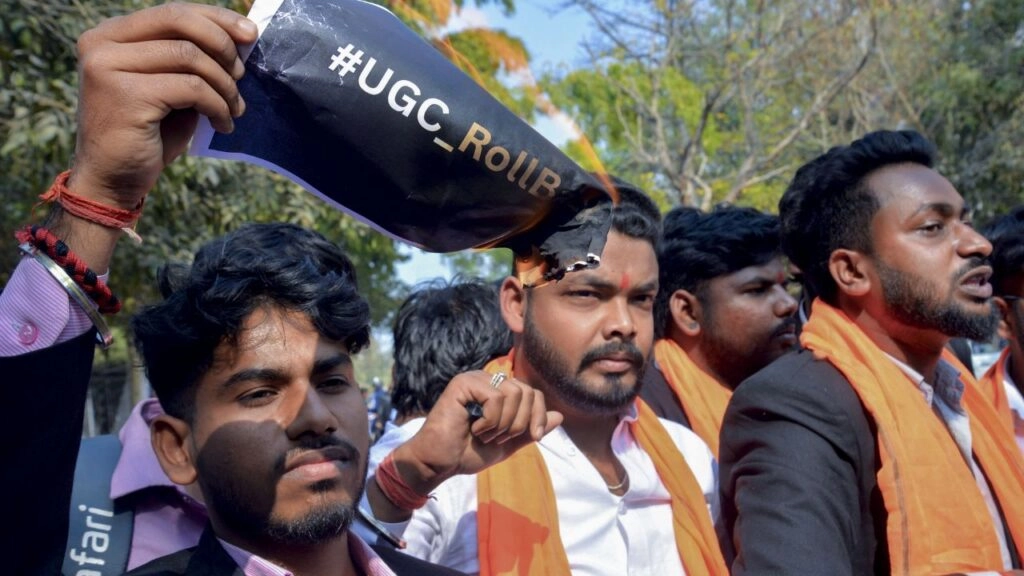
In response to these concerns, opposition leaders have called for a unified front to challenge the UGC’s new regulations. They emphasize the importance of preserving educational autonomy and ensuring that institutions remain places of free inquiry and diverse perspectives. The debate continues to evolve, with calls for public demonstrations and discussions aimed at raising awareness about the potential implications of these rules on the future of higher education in India. The discourse surrounding the UGC’s regulations is indicative of larger issues regarding governance, academic freedom, and the role of political influence in shaping educational policies.