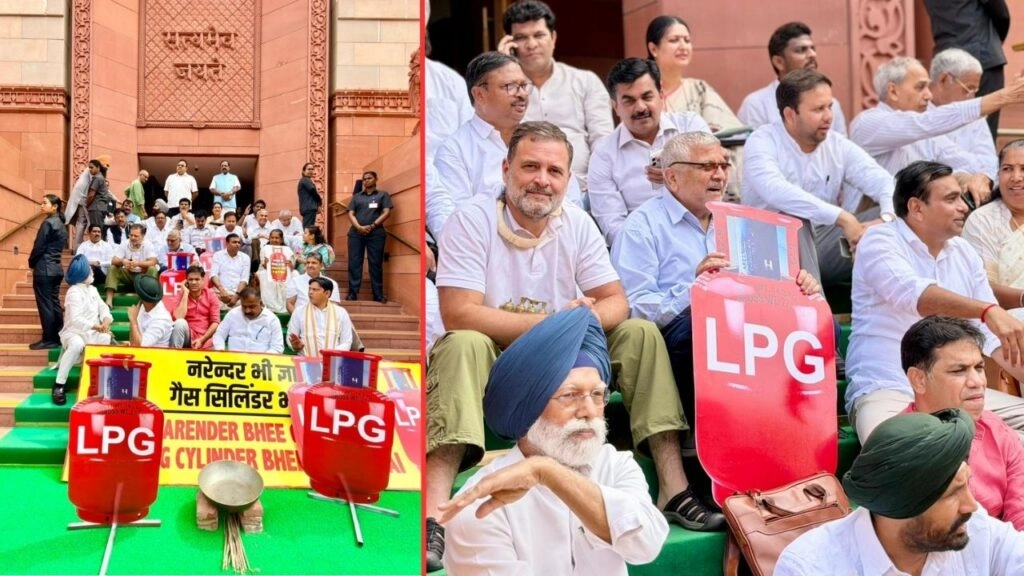
The ongoing LPG shortage has sparked significant unrest among the opposition parties, leading to a dramatic protest within the walls of Parliament. Members of the opposition staged a symbolic “stove-in,” where they brought cooking stoves into the parliamentary chamber to highlight the severity of the gas crisis affecting the nation. This unique form of protest underscores the urgency of the situation, as citizens are increasingly struggling to obtain liquefied petroleum gas for their daily cooking needs. The opposition leaders have been vocal in their criticism of the government’s handling of the gas supply, arguing that the current crisis is a result of mismanagement and lack of foresight.
As the protests intensified, the opposition called for immediate action from the government to address the LPG shortage. They emphasized that the lack of accessible cooking gas is not just an inconvenience, but a pressing issue that impacts the livelihoods of many households. Families are being forced to seek alternative cooking methods, often at higher costs, or are left unable to prepare meals altogether. The opposition has accused the government of failing to secure sufficient gas supplies and has demanded transparency regarding the reasons behind the shortage.
In response to the protests, government officials have defended their actions, insisting that they are working diligently to resolve the supply issues. However, the opposition remains undeterred, insisting that the government’s assurances are insufficient. They have vowed to continue their protests until concrete measures are taken to alleviate the crisis. The standoff highlights the growing frustration within the populace and the increasing pressure on the government to act decisively in addressing the growing concerns surrounding the LPG shortage. With the opposition firmly committed to holding the government accountable, the situation remains tense as both sides prepare for further confrontations in the coming days.