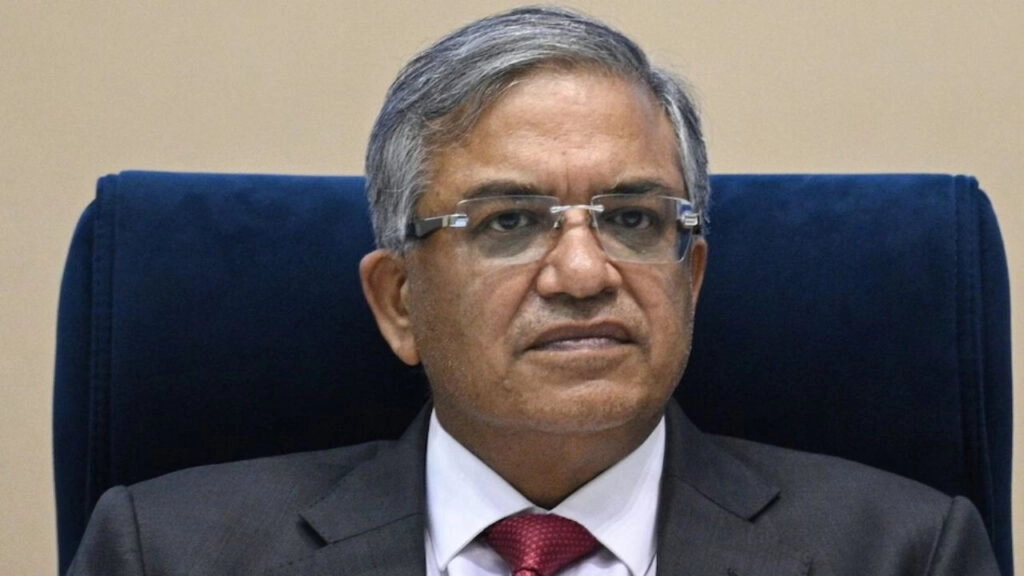
The political landscape in India has recently been shaken by a significant development: a group of 193 opposition Members of Parliament (MPs) has formally submitted a notice demanding the removal of the Chief Election Commissioner (CEC). This unprecedented move reflects rising tensions between the ruling party and opposition factions, highlighting concerns over the integrity and independence of the electoral process in the country. The opposition alleges that the current CEC has failed to uphold the principles of impartiality and fairness that are crucial for conducting free and fair elections.
The demand for the removal of the Chief Election Commissioner has sparked widespread debate and discussion among political analysts, commentators, and the general public. Many view this as a critical moment for Indian democracy, as the Election Commission plays a pivotal role in ensuring that elections are conducted transparently and without bias. The opposition’s call for the CEC’s removal suggests a deepening mistrust in the electoral system, with fears that the current leadership may be compromising the democratic process for political gain.
The implications of this demand could be far-reaching, potentially leading to a constitutional crisis if the government chooses to resist or retaliate against such a significant challenge. The situation underscores the importance of maintaining a robust and independent electoral body, as the credibility of elections is foundational to democracy. As the Parliament prepares to address this notice, all eyes will be on how the ruling party responds and whether it can navigate these turbulent waters without further escalating tensions among political rivals.
In this context, the opposition’s unity in presenting a collective demand signifies a strategic maneuver to rally public support and reinforce their stance against the ruling government. The outcome of this political standoff could set a precedent for future electoral governance in India, making it imperative for all stakeholders to engage in constructive dialogue to safeguard the integrity of the election process. The unfolding events will undoubtedly be closely monitored by citizens, political analysts, and international observers, as they reflect broader themes of accountability, governance, and the health of democracy in the world’s largest democracy.