
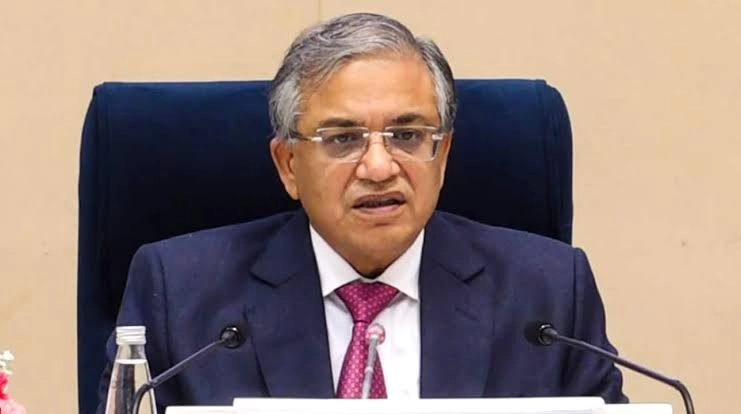
The political landscape has taken a significant turn as the opposition has initiated an impeachment motion against Chief Election Commissioner (CEC) Gyanesh Kumar. This move reflects growing concerns regarding the integrity and impartiality of the electoral process under his leadership. The opposition parties argue that Kumar’s actions have undermined the credibility of the electoral system, citing instances where they believe his decisions have favored certain political entities over others. This development has sparked intense debate across various platforms, with supporters and critics of the CEC voicing their opinions passionately.
Proponents of the impeachment motion claim that Gyanesh Kumar has failed to uphold the principles of fairness and transparency that are essential for a robust democratic process. They argue that his conduct, particularly in recent elections, has raised questions about his ability to act independently and without bias. By bringing forth this motion, the opposition aims to hold him accountable for what they perceive as a serious breach of duty. The implications of this move are significant, as it could potentially lead to a larger discussion about electoral reforms and the need for greater oversight of electoral bodies.
On the other hand, supporters of CEC Kumar are rallying to defend him against the impeachment motion, asserting that his tenure has been marked by efforts to enhance the electoral process and ensure free and fair elections. They argue that the opposition’s actions are politically motivated and intended to undermine the credibility of the electoral institution rather than address genuine concerns. As the situation unfolds, it remains to be seen how this impeachment motion will impact the political climate and the public’s trust in the electoral system.
The coming days will be crucial as this motion is debated in the relevant forums. The outcomes could have far-reaching consequences, not only for Gyanesh Kumar’s career but also for the future of electoral governance in the country. As the opposition presses forward with its agenda, the need for a balanced and objective assessment of the CEC’s performance becomes increasingly important. The political discourse surrounding this issue will likely shape public opinion and influence the broader narrative about democracy and electoral integrity in the nation.


