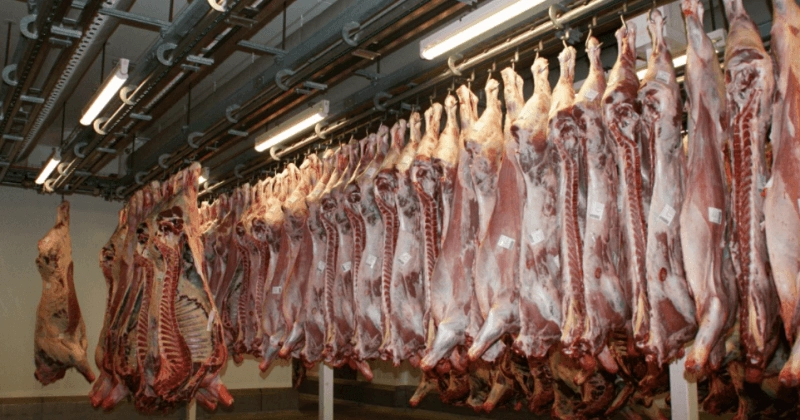
Omar Abdullah, the former Chief Minister of Jammu and Kashmir, has called on Punjab’s Chief Minister, Bhagwant Mann, to take immediate action against the illegal transit charges being imposed on livestock. These charges are reportedly affecting the prices of mutton in Jammu and Kashmir, creating significant financial strain on local consumers and affecting the livelihoods of local farmers and traders. Abdullah’s appeal highlights the challenges faced by the agricultural and livestock sectors in the region, which are already grappling with various economic pressures.
The imposition of these transit charges has led to an increase in the cost of mutton, which is a staple in many households across Jammu and Kashmir. As prices rise, the burden falls disproportionately on the common consumer, particularly in a time when economic conditions are already challenging for many families. Abdullah’s request to the Punjab government underscores the interconnectedness of the economies within Northern India, where policies and regulations in one state can have cascading effects in neighboring regions.
In his statement, Abdullah emphasized the need for cooperation between state governments to ensure fair trade practices and protect the interests of consumers and farmers alike. He urged Mann to reconsider these transit charges, which he views as detrimental not only to the mutton industry but also to the broader economic stability of Jammu and Kashmir. By addressing these issues, Abdullah believes that both states can foster a more equitable environment for trade and commerce, ultimately benefiting their respective populations.
The situation has sparked discussions among various stakeholders, including farmers, traders, and consumers, who are all concerned about the rising costs and the impact on their livelihoods. Abdullah’s intervention may serve as a catalyst for dialogue between the two states, aiming to resolve these issues through mutual understanding and collaboration. As the debate continues, the focus remains on finding a solution that supports local economies while ensuring that consumers are not unduly burdened by unfair charges.