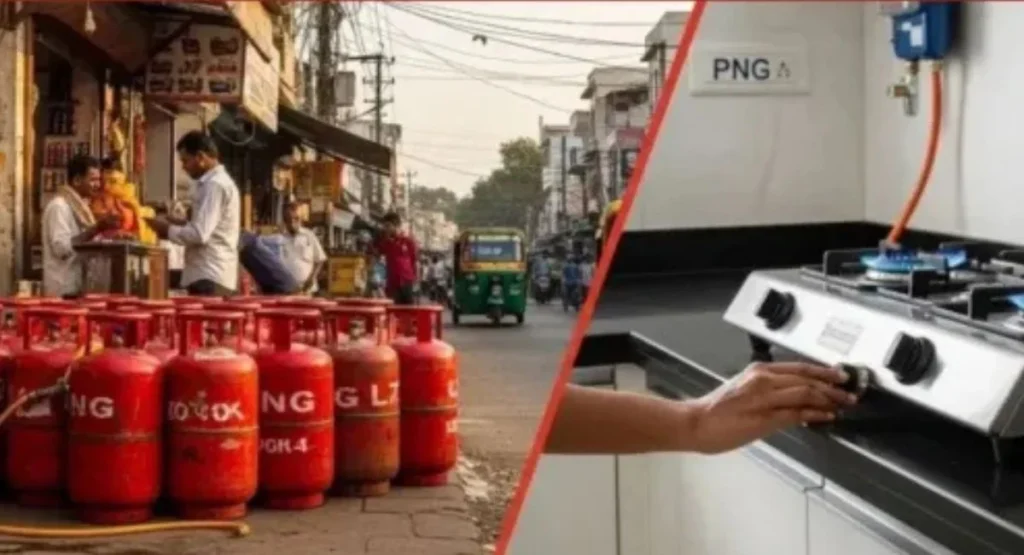
In a surprising move that is likely to leave many consumers in shock, the government has announced a new regulation prohibiting the installation of two gas connections within a single household. This decision has sparked considerable debate and concern among residents who rely on gas for cooking and heating. The new rule aims to address safety issues and promote responsible energy consumption, but it raises a multitude of questions regarding its implementation and impact on daily life.
The rationale behind this regulation seems to stem from safety concerns associated with having multiple gas connections in one residence. Authorities argue that having two connections can lead to increased risks of gas leaks and potential explosions, which could endanger not only the occupants of the house but also neighboring properties. This preventative measure is intended to streamline gas usage and ensure that households manage their energy consumption more effectively, thereby reducing the overall demand for gas.
However, the implications of this rule are significant for families who have traditionally relied on multiple gas connections for various appliances. For instance, some households may use one connection for cooking and another for heating purposes, and the new regulation may force them to reconsider their energy usage patterns. This could lead to increased costs for families needing to modify their gas setups or invest in alternative heating solutions. Additionally, the government must provide clear guidelines and support to help consumers transition smoothly under this new policy.
As the public grapples with the consequences of this regulation, discussions surrounding energy efficiency and safety are likely to intensify. While the government’s intentions may be rooted in promoting safer living environments, the practical effects on consumers could be significant. Moving forward, it will be essential for the government to engage with communities to address their concerns and ensure that the implementation of this rule is both fair and effective.