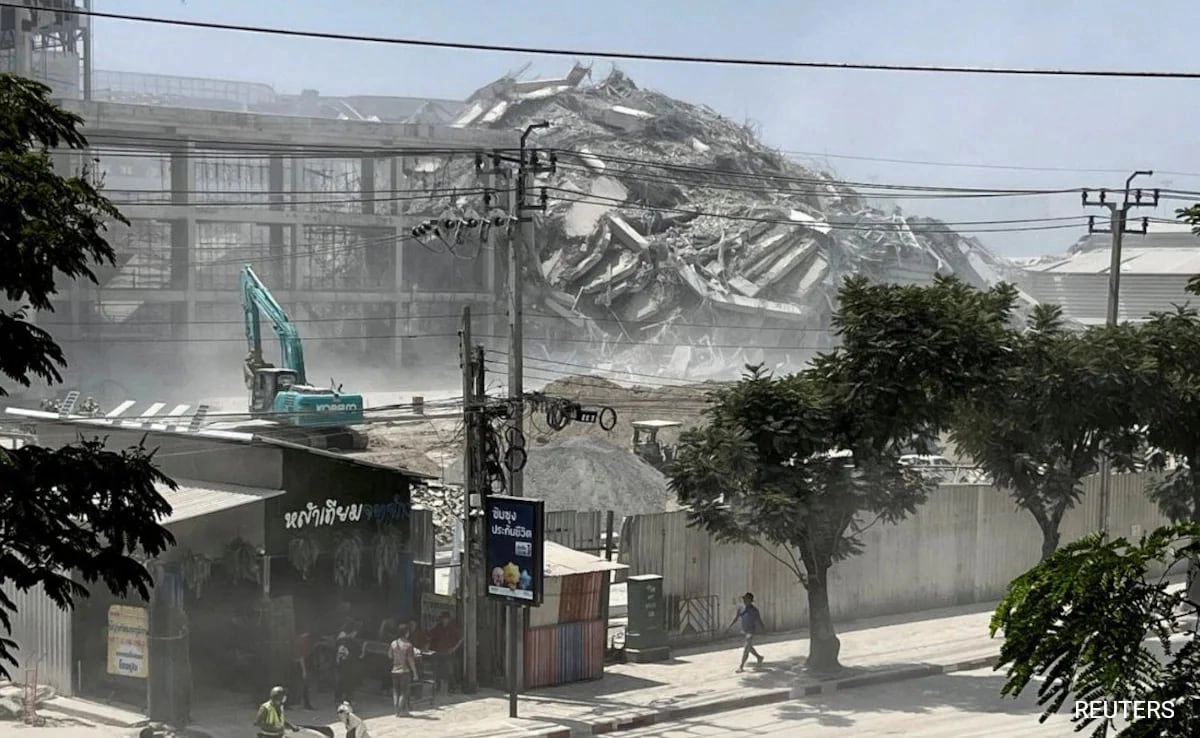
On the morning of a recent earthquake that struck Myanmar, significant disruptions were felt across the region, including in Bangkok, Thailand. The tremors, which originated from a seismic event in Myanmar, led to immediate consequences in neighboring areas. One of the most notable impacts was on the rail services, which experienced interruptions due to safety protocols and concerns regarding infrastructure stability. Authorities took swift action to assess the condition of railway tracks and ensure the safety of passengers, leading to temporary suspension of services that affected many commuters.
In addition to the disruptions in rail transport, schools in Bangkok were also impacted, remaining closed for the day as a precautionary measure. The decision to shut down educational institutions was made in light of safety considerations and the need to ensure that students and staff were not exposed to any potential aftershocks or related hazards. This closure, while necessary, posed challenges for parents and guardians, who had to make alternative arrangements for their children during the unexpected break from classes.
As the situation unfolded, local authorities and emergency services worked diligently to assess the damage and provide assistance where needed. Communication channels were activated to keep the public informed about safety measures and updates regarding the earthquake’s aftereffects. Meanwhile, residents in Bangkok and surrounding areas were urged to stay vigilant and report any unusual occurrences or damages. The community’s resilience was tested, but the swift response from government officials and emergency responders helped to mitigate potential risks and ensure public safety during this challenging time.