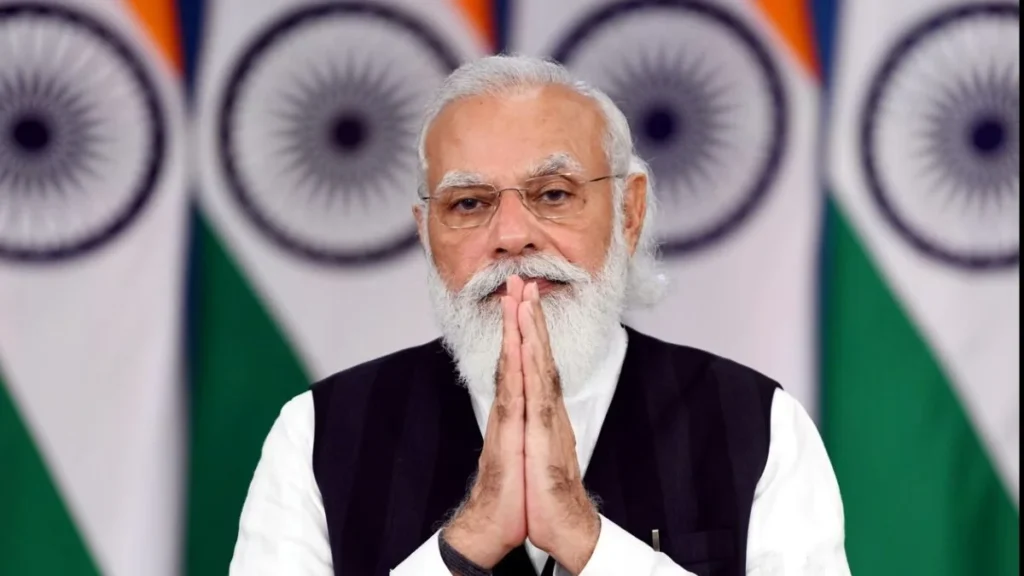
Indian Prime Minister Narendra Modi has expressed strong disapproval regarding the closure of the Strait of Hormuz, labeling it as “unacceptable.” This vital waterway is a significant conduit for global oil shipments, and any disruptions to its accessibility can have far-reaching implications for the international economy and energy security. The Strait of Hormuz, located between Iran and Oman, is a narrow passage that connects the Persian Gulf to the Arabian Sea and is a critical route for oil tankers transporting crude oil from the Gulf states to markets around the world.
Modi’s remarks come in the context of heightened tensions in the region, where geopolitical conflicts and military confrontations have raised concerns about the safety and freedom of navigation in this crucial maritime corridor. The closure of the Strait could not only impact oil prices but also disrupt the supply chain for many countries dependent on energy imports. In his statement, Modi emphasized the need for maintaining peace and stability in the region, urging all stakeholders to work towards resolving conflicts through dialogue rather than military action.
India, as one of the largest consumers of oil, has a vested interest in ensuring the free flow of trade through the Strait of Hormuz. The country heavily relies on imports for its energy needs, with a significant portion of its crude oil coming from the Gulf region. Modi’s comments reflect the broader concerns shared by many nations about the potential consequences of regional instability on the global economy. He has called for a unified international effort to safeguard this crucial maritime passage and ensure that it remains open for trade and commerce.
In conclusion, Prime Minister Modi’s characterization of the situation in the Strait of Hormuz as “unacceptable” underscores the critical importance of this waterway to global energy security. As tensions rise, it is imperative for nations to collaborate and foster an environment conducive to peace and stability, ensuring that vital trade routes remain open and accessible for the benefit of the global economy.