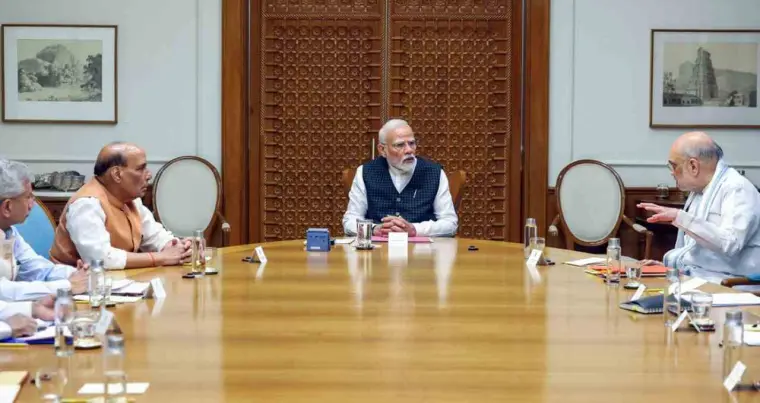
In a significant push towards governance reform, Prime Minister Narendra Modi has urged his ministers to expedite the implementation of various reforms across different sectors. This call to action, referred to as “Modi 3.0,” emphasizes the government’s commitment to enhancing efficiency and effectiveness in administration. During a recent meeting, Modi underscored the importance of not only initiating reforms but also ensuring their swift execution, particularly in areas that directly impact citizens’ lives. The Prime Minister’s directive is a clear indication of his intent to maintain momentum in policy changes and service delivery, which are crucial for the country’s growth trajectory.
The Prime Minister’s advice reflects a broader strategy aimed at revitalizing the economy and improving public services. Ministers have been encouraged to identify bottlenecks and proactively address challenges that hinder the progress of reforms. Modi’s focus on performance and accountability is designed to foster a culture of results-oriented governance, where the emphasis is placed on tangible outcomes rather than mere policy announcements. This approach aligns with the government’s objective of creating a more business-friendly environment and enhancing the ease of living for citizens.
Furthermore, Modi’s exhortation to accelerate reforms comes at a time when the nation faces various socio-economic challenges. By prioritizing actionable reforms, the government aims to boost investor confidence and stimulate economic growth. The Prime Minister has also highlighted the importance of collaboration among different ministries to ensure a cohesive approach to reform implementation. This collaborative effort is critical in addressing multifaceted issues that require coordinated responses across various sectors, such as health, education, and infrastructure.
In summary, Modi 3.0 represents a renewed commitment to reform-driven governance. By urging his ministers to act decisively and swiftly, Prime Minister Modi is positioning his administration to respond effectively to the needs of the populace and the demands of a dynamic global economy. The focus on rapid execution of reforms not only reflects the government’s dedication to development but also sets a clear agenda for the future, aiming for a more prosperous and resilient India.