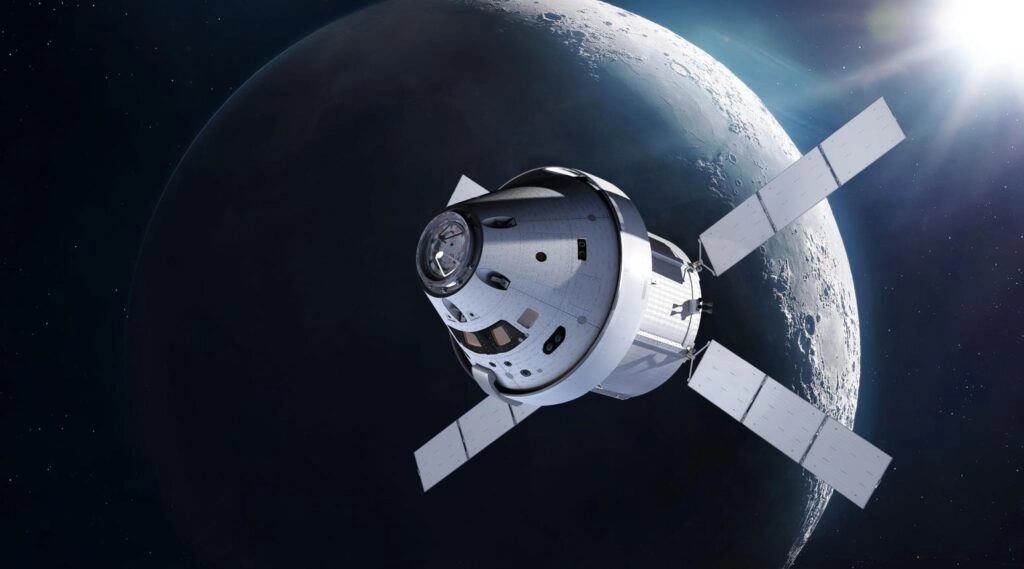
After a 53-year hiatus from manned lunar missions, NASA has embarked on an ambitious journey to return humans to the moon. This monumental undertaking marks a significant milestone in space exploration, reigniting humanity’s quest to explore our celestial neighbor. The mission, which is part of NASA’s Artemis program, aims not only to land astronauts on the lunar surface but also to establish a sustainable presence there by the end of the decade. This renewed focus on the moon represents a critical step towards future missions to Mars and beyond.
The Artemis program is named after the Greek goddess of the moon and twin sister of Apollo, the namesake of the original moon landing missions in the 1960s and 70s. The goal is to land the first woman and the next man on the moon, specifically at the lunar South Pole, an area believed to hold valuable resources like water ice. Such resources are essential for sustaining human life and could support longer missions into deep space. The mission is not only a testament to technological advancement but also a collaborative effort involving international partners and commercial space companies.
As the mission progresses, NASA is leveraging cutting-edge technology and innovative strategies to ensure the safety and success of the astronauts. The spacecraft, Orion, is designed to carry crews beyond low Earth orbit and is equipped with life-support systems for extended missions. Additionally, the Space Launch System (SLS), NASA’s most powerful rocket to date, will propel Orion into space, marking a new era of exploration. This strategic approach aims to lay the groundwork for a sustainable human presence on the moon, paving the way for future exploration of Mars and other destinations in our solar system.
With the Artemis mission, NASA is not just looking to revisit the moon but to create a lasting legacy of lunar exploration. The knowledge gained from this endeavor will inform future missions, fostering international collaboration and inspiring a new generation of scientists, engineers, and explorers. As humanity stands on the brink of this new chapter in space exploration, the excitement and anticipation surrounding the return to the moon are palpable, promising to unlock new mysteries and expand our understanding of the universe.