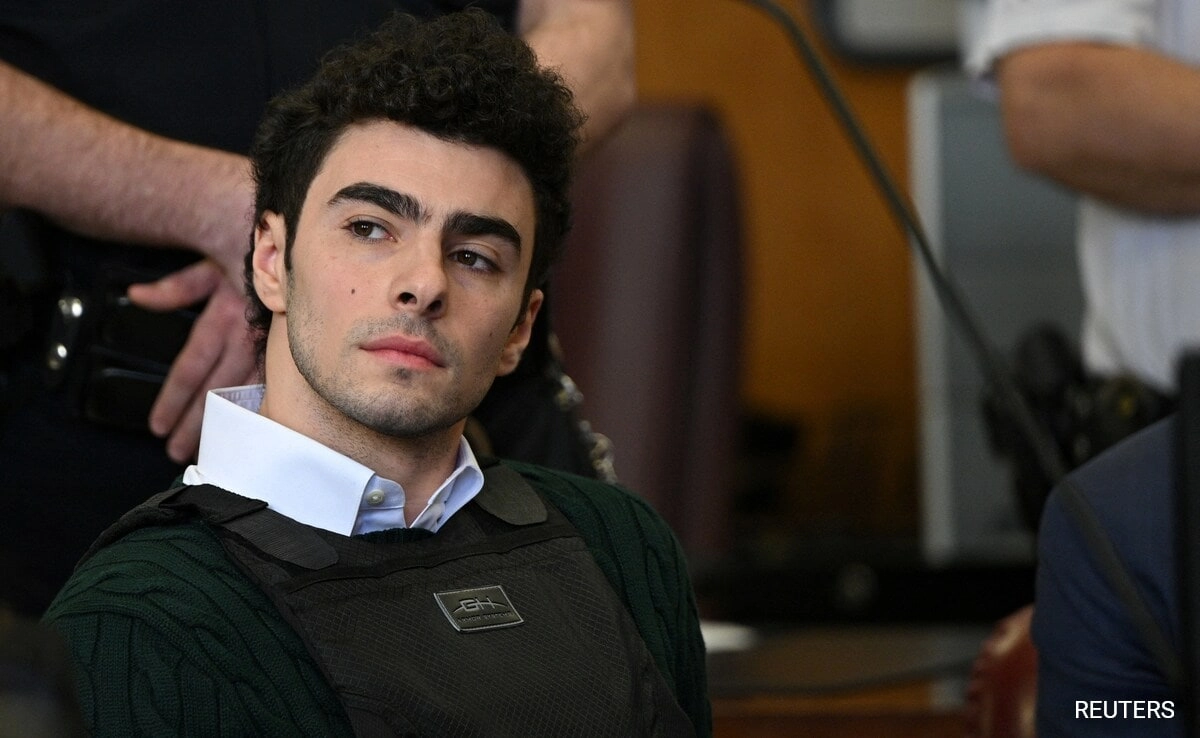
Luigi Mangione, a man accused of the shocking murder of an insurance CEO, has formally entered a plea of not guilty in a U.S. court. The case has garnered significant media attention due to the high-profile nature of the victim and the circumstances surrounding the alleged crime. Mangione, who was arrested last month, stands accused of orchestrating a brutal attack that led to the untimely death of the prominent insurance executive. The prosecution has laid out a detailed narrative suggesting that the motive behind the murder may be linked to financial disputes or personal vendettas, but Mangione’s defense team is prepared to vigorously contest these claims.
During the arraignment, Mangione appeared calm and collected, maintaining his innocence as he faced the judge and a courtroom filled with observers and press. The charges against him are severe, including first-degree murder and conspiracy, which could result in a lengthy prison sentence if convicted. His legal representatives have indicated that they will be exploring all avenues to prove his innocence, including questioning the evidence presented by the prosecution. They argue that the case lacks substantial proof linking Mangione directly to the crime, and they plan to call witnesses who may provide alibi testimonies.
The prosecution, on the other hand, is expected to present a compelling case that showcases a timeline of events leading up to the murder, as well as forensic evidence that they claim ties Mangione to the scene. As the trial date approaches, both sides are preparing for what promises to be a contentious legal battle. The case not only raises questions about the implications of corporate rivalries but also highlights the darker undercurrents of the business world, where competition can sometimes lead to deadly outcomes. The public and media will undoubtedly follow this case closely, given its sensational nature and the stakes involved for both the defendant and the victim’s family.
As the legal proceedings unfold, the community is left grappling with the shock of the crime, reflecting on the broader implications of violence in the corporate sector. The trial is set against a backdrop of increasing discussions about workplace culture and ethics, particularly in high-stakes industries like insurance. Many are left wondering how such a tragic event could occur and what measures can be taken to prevent similar incidents in the future. The outcome of this case will not only impact Mangione’s life but also resonate throughout the business community, emphasizing the need for accountability and integrity in professional dealings.