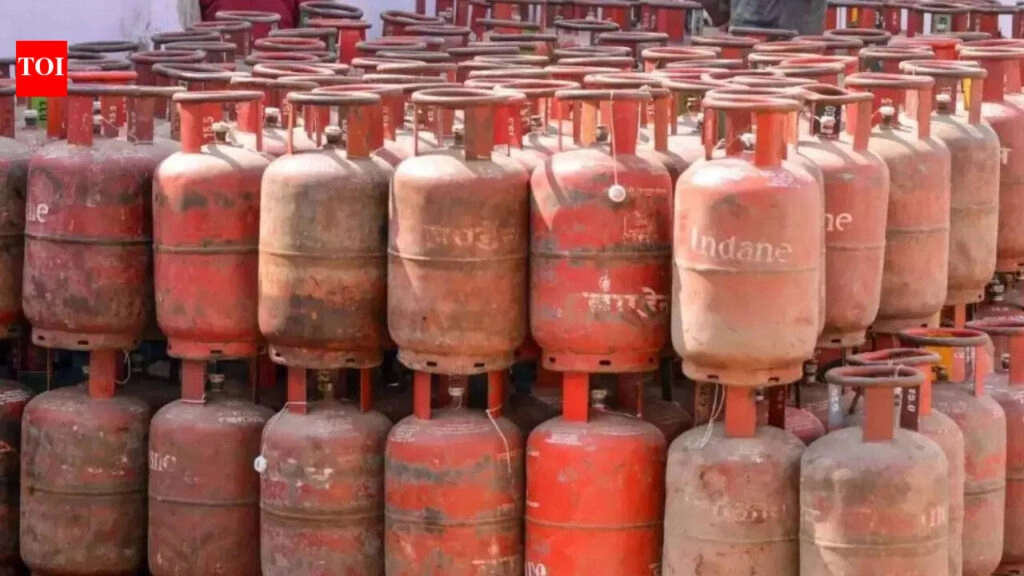
Recent data indicates that domestic LPG (Liquefied Petroleum Gas) bookings have approached levels seen prior to the onset of conflict in the region. This resurgence in bookings suggests a recovery in consumer confidence and demand for LPG among households. The increase in domestic bookings is a positive sign, as it reflects a stabilization in the market and the gradual return to normalcy for many consumers who rely on LPG for cooking and heating purposes.
However, amidst this recovery, there have been notable restrictions on the supply of LPG to commercial users. These limitations are likely a response to the need to prioritize domestic consumption, especially in light of the rising demand from households. Commercial entities, which often require larger quantities of LPG for their operations, may face challenges as they adjust to these constraints. This situation underscores the delicate balance that authorities must maintain between meeting domestic needs and supporting the commercial sector, which is crucial for economic stability.
The impact of these developments on the overall market dynamics cannot be overstated. As domestic bookings rise, companies involved in the distribution and supply of LPG may experience increased pressure to manage their resources effectively. The restrictions on commercial users could lead to adjustments in pricing and availability, further influencing market conditions. Stakeholders across the industry will need to navigate these changes carefully to ensure that both domestic and commercial needs are met without compromising supply stability.
In summary, while the increase in domestic LPG bookings signals a positive trend as the market approaches pre-conflict levels, the restrictions on commercial supply pose significant challenges. The situation calls for strategic planning and collaboration among industry players to ensure a balanced approach that supports both households and businesses in this evolving landscape.