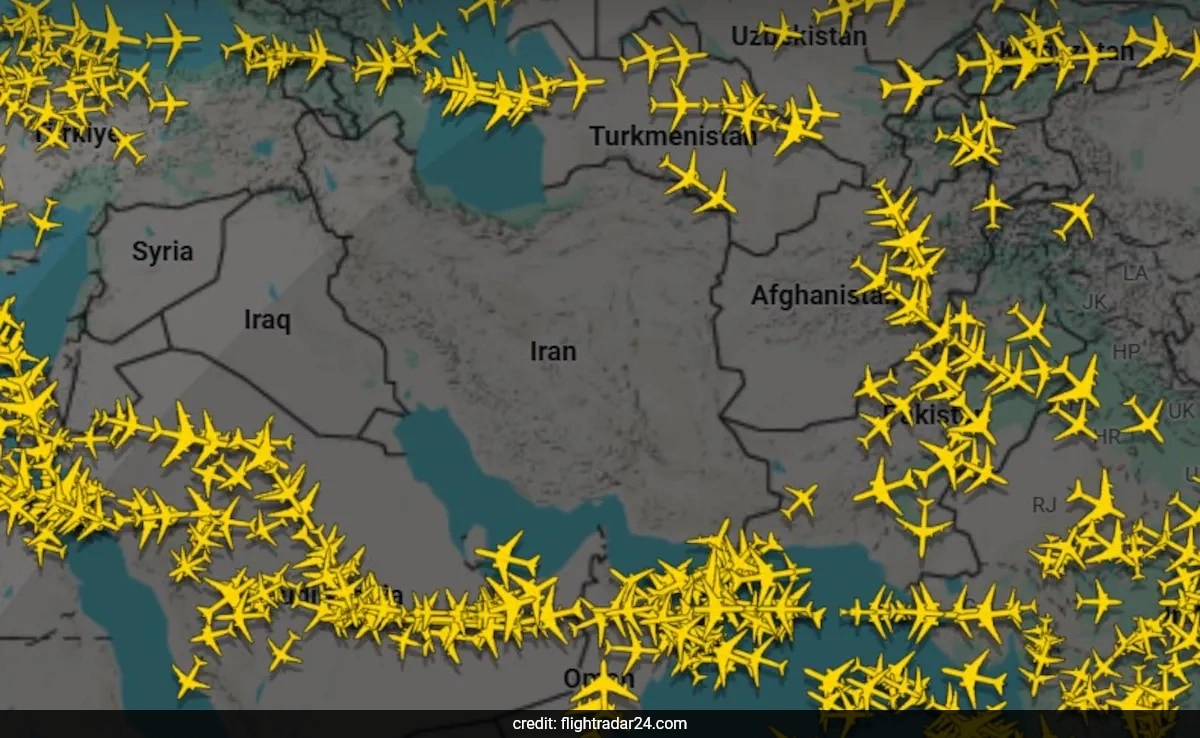
In a significant escalation of tensions in the Middle East, several Gulf nations, including Kuwait, Iraq, the United Arab Emirates (UAE), Bahrain, and Qatar, have taken the decisive step of shutting down their airspace in response to Iranian attacks on a US air base. This coordinated move underscores the growing concerns among neighboring countries regarding Iran’s aggressive military posture and its potential implications for regional stability. The airspace closures are aimed at safeguarding national security and preventing any potential spillover from the ongoing conflict, which has seen a marked increase in hostilities in recent weeks.
The attacks on the US air base, which serve as a critical hub for American military operations in the region, have raised alarms not only in the United States but also among its allies. The Iranian military’s actions are perceived as a direct challenge to US presence in the Gulf and a broader threat to the established order in the region. In response to this, the Gulf states have opted for a protective measure, ensuring that their airspace remains secure from any potential retaliatory strikes or further escalations that could arise from the ongoing tensions.
As the situation unfolds, the implications of these airspace closures could be profound. They may hinder commercial aviation and disrupt trade routes, potentially affecting the economies of the Gulf states. Furthermore, the decision reflects a growing sense of vulnerability among these nations, which have historically relied on US military support to counterbalance Iranian influence. The airspace shutdowns signify a shift in the regional dynamics, as Gulf countries reassess their strategies in light of Iran’s provocative actions and the evolving geopolitical landscape.
In this volatile environment, diplomatic efforts will be crucial in de-escalating tensions and preventing a broader conflict. The international community will likely be watching closely, as the situation not only impacts the Gulf region but also has global ramifications, particularly for energy markets and international security. As the nations involved navigate these challenging waters, the hope remains that dialogue and diplomacy can prevail over military confrontation, allowing for a more stable and peaceful coexistence in the region.