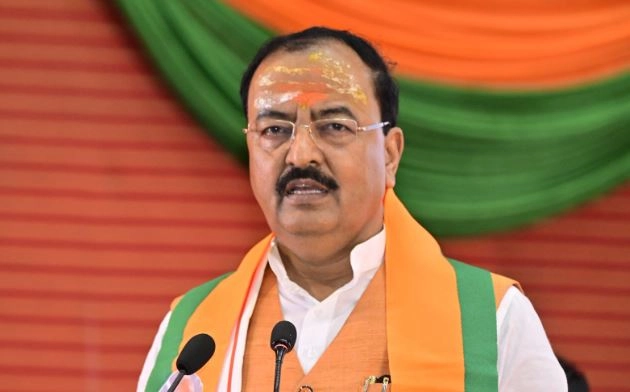
Keshav Maurya recently commented on Rahul Gandhi’s controversial statements, asserting that Congress is now engaging in harmful rhetoric daily in a desperate attempt to salvage its dwindling political influence. Maurya’s remarks highlight the ongoing tensions within Indian politics, where political leaders often resort to provocative language to rally support or discredit their opponents. The term “spewing poison” suggests that he views Congress’s actions as not only misguided but also damaging to the political discourse in the country.
The backdrop of this statement is the broader context of electoral politics in India, where parties frequently engage in intense rivalries. As Congress struggles to maintain its relevance, particularly in the face of challenges from the ruling party, its leaders may feel compelled to adopt more extreme positions or make incendiary comments. Maurya’s criticism reflects a sentiment among some political observers that such tactics can undermine the democratic process and contribute to a toxic political environment.
In a climate where political polarization is increasingly prevalent, the rhetoric employed by leaders can have significant consequences. Maurya’s assertion serves as a reminder of the responsibility that public figures hold in shaping the narrative and tone of political conversations. As the political landscape continues to evolve, it remains crucial for leaders to engage in constructive dialogue rather than resorting to divisive or inflammatory statements that could further alienate voters and exacerbate societal tensions.