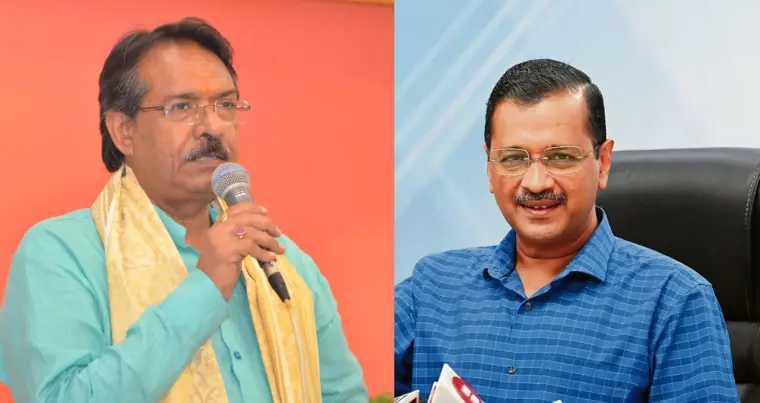
Delhi Chief Minister Arvind Kejriwal has recently made significant allegations regarding the Ram Janmabhoomi dispute, a long-standing and controversial issue in Indian politics. He claims that the Bharatiya Janata Party (BJP) has been exploiting the Ram Janmabhoomi movement for political gain, arguing that their approach has only deepened communal divisions rather than foster unity. Kejriwal contends that the emphasis on the Ram Janmabhoomi issue is a strategic distraction from pressing social issues such as poverty, unemployment, and education that require urgent attention.
In response to Kejriwal’s allegations, the BJP has mounted a vigorous counterattack. Party leaders argue that the Ram Janmabhoomi movement is not merely a political tool but a significant aspect of cultural and religious identity for millions of Hindus. They assert that the resolution of the Ram Janmabhoomi dispute is essential for restoring faith and pride in the community, and they accuse Kejriwal of attempting to undermine this sentiment for his political advantage. The BJP maintains that their commitment to the Ram Janmabhoomi cause is rooted in historical and religious significance, rather than just electoral strategy.
The exchange between Kejriwal and the BJP is emblematic of the larger political landscape in India, where religious and cultural issues often intersect with electoral politics. As the country approaches key elections, the Ram Janmabhoomi issue is likely to remain a focal point of contention, with both sides leveraging it to rally their respective bases. The ongoing debate raises important questions about the role of religion in politics and the impact of such issues on national unity. As tensions rise, it remains to be seen how these allegations and counter-allegations will influence public opinion and voter behavior in the upcoming electoral landscape.