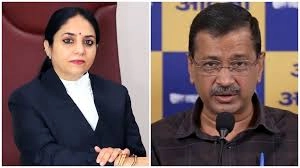
Arvind Kejriwal, the Chief Minister of Delhi, has recently voiced his concerns regarding the judicial system during a court appearance. While addressing the judge, he expressed his doubts about the fairness and transparency of the proceedings against him. Kejriwal, who has been embroiled in legal troubles, is not only fighting for his political career but also grappling with the implications of being jailed. His statements reflect a broader anxiety among political figures when faced with the complexities of the legal system, particularly when they believe the judiciary may be influenced by external pressures.
In his remarks, Kejriwal underscored the importance of an impartial judiciary, emphasizing that justice should be served without bias. He argued that the rule of law must prevail and that every individual, regardless of their political standing, deserves a fair trial. His concerns resonate with many citizens who fear that the judicial system can sometimes be swayed by political motivations, undermining public trust in legal institutions. By bringing these issues to light, Kejriwal is not only defending his position but also advocating for the integrity of the justice system as a whole.
Kejriwal’s situation has garnered significant media attention, prompting discussions about the intersection of politics and law in India. As a prominent leader of the Aam Aadmi Party (AAP), he has positioned himself as a champion of transparency and accountability. His current ordeal raises critical questions about the treatment of politicians in legal matters and the potential for misuse of power by various stakeholders. The implications of his case extend beyond his personal circumstances, highlighting the ongoing challenges faced by those in positions of authority when navigating the legal landscape.
Ultimately, Kejriwal’s expression of doubt regarding the judge serves as a reminder of the delicate balance between law and politics. It calls into question how justice is administered and the potential for systemic flaws that may affect the outcomes of high-profile cases. As the situation unfolds, it will be crucial for observers to monitor not only the legal proceedings but also the broader implications for democracy and governance in India. The outcome of this case may set important precedents for future interactions between political leaders and the judicial system.