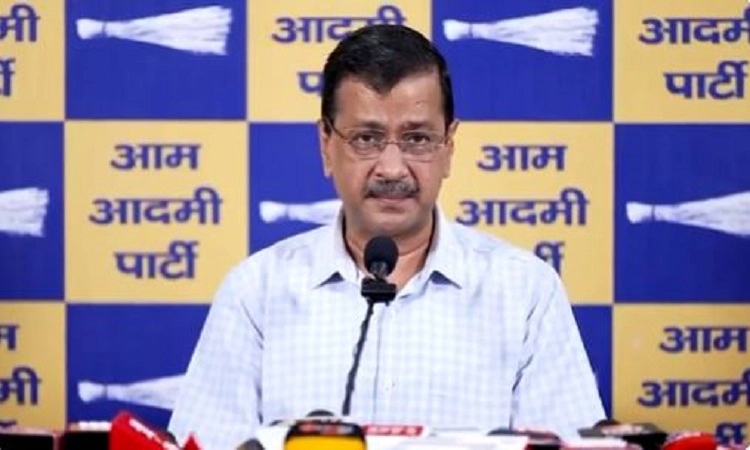
Today, numerous regions in India are grappling with issues of dishonesty and corruption, a situation that has garnered significant attention from political leaders and citizens alike. Arvind Kejriwal, the Chief Minister of Delhi and leader of the Aam Aadmi Party, has been vocal in his criticism of Prime Minister Narendra Modi, attributing a portion of this pervasive corruption to the central government’s policies and practices. During his recent addresses, Kejriwal emphasized that dishonest practices have seeped into various levels of administration and governance, undermining public trust and obstructing the country’s progress.
Kejriwal’s remarks highlight a broader concern within Indian society regarding the integrity of its institutions. He argues that when leaders at the highest levels engage in or condone corrupt behavior, it sets a troubling precedent for officials at all tiers of government. This, in turn, fosters an environment where dishonesty can thrive, affecting not just political processes but also the delivery of essential services to citizens. The Chief Minister’s criticisms are not only aimed at Modi personally but also at the systemic issues that allow corruption to flourish unchecked.
Furthermore, Kejriwal’s stance resonates with many citizens who feel disillusioned by the alleged corruption that permeates various aspects of life in India. The call for accountability and transparency is becoming increasingly urgent, as people demand that their leaders uphold ethical standards and work towards the welfare of the populace rather than their personal interests. In this political climate, Kejriwal seeks to position himself as a champion of honesty and integrity, advocating for reforms that would restore faith in government institutions and processes.
The ongoing discourse around dishonesty in Indian politics serves as a reminder of the critical need for vigilance and reform. As leaders like Kejriwal continue to challenge the status quo, the hope is that a collective movement towards greater accountability will emerge, one that prioritizes the needs of the people over political gain. The fight against corruption is far from over, and the voices of those advocating for integrity will play a pivotal role in shaping the future of governance in India.