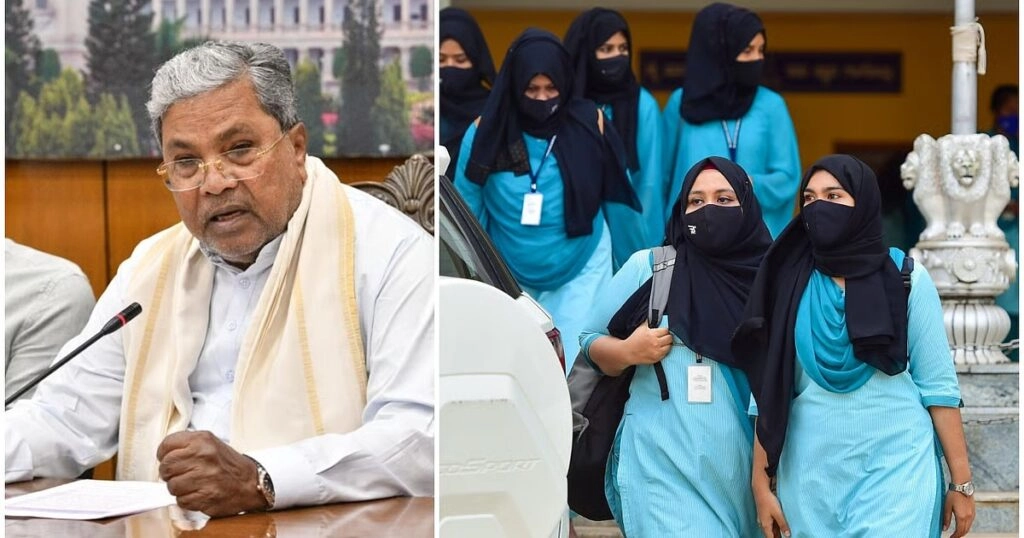
In a significant policy decision, the Congress government in Karnataka has granted permission for students to wear hijabs in schools and colleges across the state. This move has sparked discussions on religious freedom and educational rights, reflecting the government’s commitment to inclusivity and respect for diverse cultural practices. The decision comes in the context of ongoing debates surrounding the dress code in educational institutions, particularly in relation to the rights of Muslim students to express their religious identity through traditional attire.
The hijab, a headscarf worn by many Muslim women, has been a symbol of faith and personal choice for countless individuals. By allowing its use in educational settings, the Karnataka government aims to foster an environment where students feel comfortable and respected, regardless of their religious background. This policy not only acknowledges the importance of cultural expressions but also emphasizes the need for educational institutions to adapt to the diverse needs of their student populations.
Critics of the ban on hijabs in schools had argued that such restrictions infringe upon individual rights and could lead to feelings of alienation among Muslim students. By reversing any previous prohibitions, the Congress government is taking a stand for religious tolerance and the principle of secularism, which is a cornerstone of Indian democracy. This decision is likely to resonate with many communities across Karnataka and beyond, as it underscores the importance of upholding individual rights in educational contexts.
Furthermore, this development could set a precedent for other states in India grappling with similar issues related to religious attire in schools. The move may encourage a broader dialogue about the intersection of education, religion, and personal freedom, paving the way for more inclusive policies that celebrate diversity. As the conversation continues, it remains essential for stakeholders, including educators, parents, and policymakers, to engage constructively to ensure that all students can thrive in an environment that respects their identities.