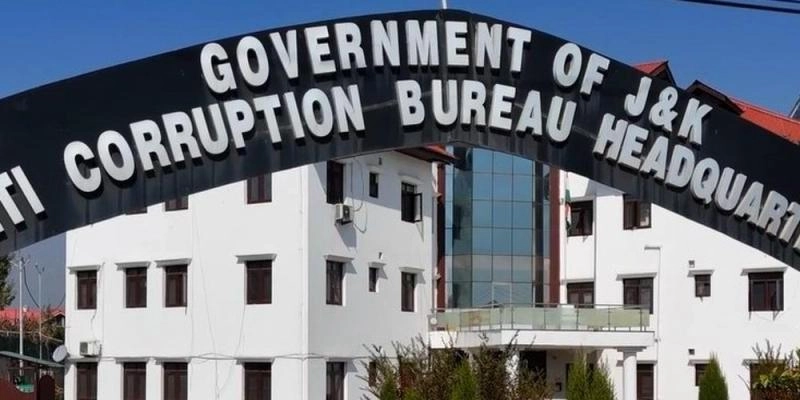
The Jammu and Kashmir (J&K) land scam has unveiled a significant case of land misappropriation, where over 1,000 kanals of custodian land were allegedly seized unlawfully. The Anti-Corruption Bureau (ACB) has taken decisive action by filing First Information Reports (FIRs) against several officials implicated in this extensive land grabbing scheme. The investigation has revealed a concerning pattern of corruption and negligence among government officials who were expected to safeguard public assets.
Custodian land, which is intended for the benefit of the state’s displaced populations, has become a focal point in this scandal. Reports indicate that land meant for public use has been illegally transferred to private individuals, raising serious ethical and legal questions. The ACB’s involvement highlights the seriousness of the allegations and demonstrates a commitment to addressing corruption in the region. As investigations continue, the authorities are under pressure to ensure accountability and restore the integrity of public land management.
The ramifications of this land scam extend beyond the immediate loss of public assets. It undermines the trust of the local population in government institutions and highlights systemic issues within the bureaucratic framework. The misuse of custodian land not only deprives deserving communities of their rightful resources but also sets a dangerous precedent for future land management practices. The ongoing investigation by the ACB is a crucial step towards rectifying these injustices and ensuring that those responsible are held accountable for their actions.
As the ACB delves deeper into the case, it aims to unravel the intricate web of complicity that may involve various levels of governance. The outcome of this investigation could lead to significant reforms in land administration and bolster efforts to combat corruption in Jammu and Kashmir. The public’s demand for transparency and justice in this matter underscores the need for systemic change to protect public resources and prevent future exploitation.