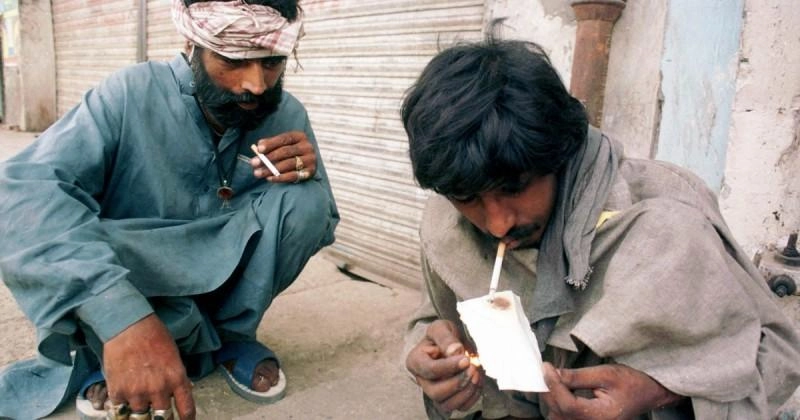
The drug crisis in Jammu and Kashmir has reached alarming proportions, with approximately 1.4 million individuals grappling with addiction. This staggering figure highlights not only the scale of substance abuse in the region but also the urgent need for effective intervention strategies. The situation has been exacerbated by the involvement of narco-terrorism, where drug trafficking networks are intertwined with militant groups, creating a complex landscape that endangers the lives of countless residents.
Among those affected, around 168,000 children have fallen prey to this vicious cycle of addiction and exploitation. These young individuals are particularly vulnerable, as they often lack the resources and support systems necessary to combat the lure of drugs. The implications of this crisis extend beyond individual health; they threaten the social fabric of communities and hinder the overall development of the region. As children and young adults become ensnared in the drug trade, the potential for a lost generation looms large.
Addressing the drug crisis in Jammu and Kashmir requires a multifaceted approach. It is essential to strengthen law enforcement to combat drug trafficking and dismantle the networks that perpetuate this cycle of addiction. Simultaneously, community-based rehabilitation programs and education initiatives must be implemented to provide support to those struggling with addiction, particularly the youth. Only through a coordinated effort involving government agencies, NGOs, and community leaders can the region hope to reclaim its future from the grip of narcotics and build a healthier, more prosperous society.