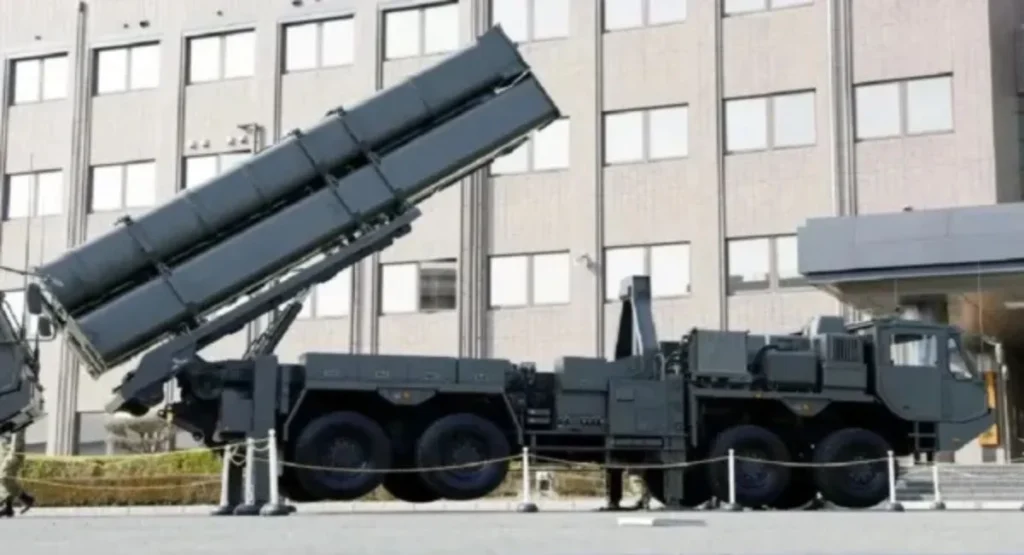
In recent developments, Japan has taken significant steps to bolster its defense capabilities amid rising tensions in the Asia-Pacific region, particularly concerning its relationship with China. Reports indicate that Japan has deployed advanced missile systems designed to counter potential threats from its neighboring country. This strategic move is seen as a response to China’s increasing military assertiveness, including its activities in the South China Sea and its ongoing territorial disputes with various nations in the region.
Japan’s deployment of these missiles is not merely a defensive posture; it reflects a broader shift in its military strategy, which has traditionally been characterized by pacifism and restraint due to its post-World War II constitution. The Japanese government is now prioritizing national security more than ever, leading to discussions about expanding its military capabilities. This includes not only the development and deployment of advanced missile technology but also deeper military cooperation with allies like the United States.
The implications of Japan’s missile deployment are significant, as they could escalate tensions further between Japan and China, potentially leading to a regional arms race. Both countries have a complex history, and any perceived threat could trigger a series of retaliatory measures. Furthermore, this situation raises concerns about stability in the region and the potential for conflict, as neighboring countries watch closely and may feel compelled to enhance their own military readiness in response to Japan’s actions.
In conclusion, Japan’s strategic military maneuvers represent a critical pivot in its defense policy, driven by the need to address the evolving security landscape in East Asia. As Japan continues to enhance its military capabilities, the international community must remain vigilant, fostering dialogue and cooperation to prevent misunderstandings and ensure peace in the region. The situation underscores the delicate balance of power in Asia and the importance of diplomatic engagement in addressing the underlying tensions that could lead to conflict.