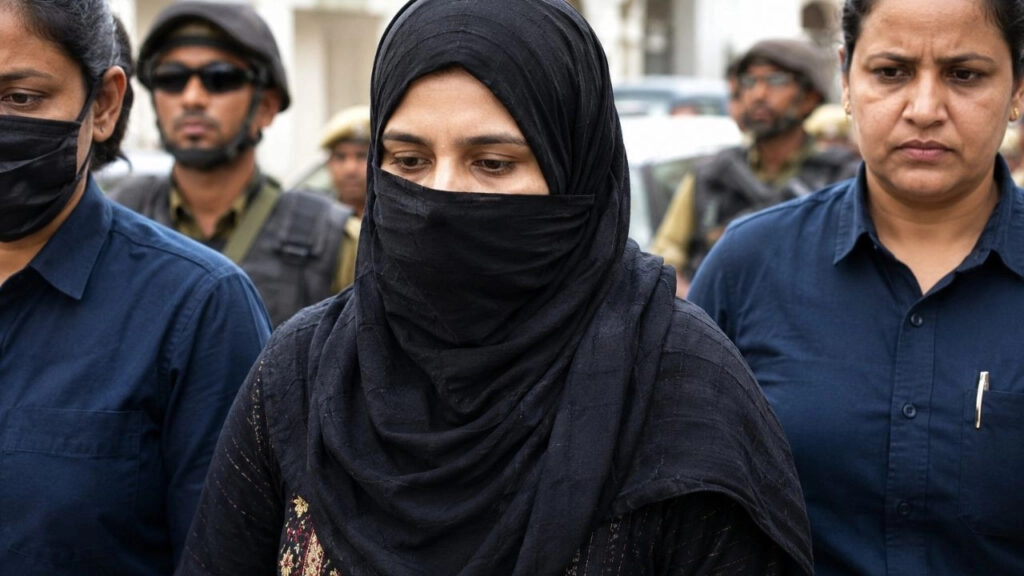
A suspected female sleeper cell associated with the militant organization Jaish-e-Mohammed has been arrested in Jaipur, India. This arrest is significant as it highlights the ongoing concerns regarding the infiltration of extremist groups within the country. The individual detained has reportedly been linked to a Pakistani handler through an online marriage, which raises serious questions about the methods employed by these groups to recruit and operate covertly across borders.
The investigation into her activities has uncovered various digital footprints indicating her involvement in suspicious online communications. Authorities believe that this case is part of a larger network that utilizes technology and social media platforms to connect with operatives and sympathizers across national boundaries. The arrest underscores the necessity for vigilance and proactive measures in combating terrorism, particularly as extremist organizations adapt to modern communication methods to further their agendas.
Law enforcement agencies are now delving deeper into her connections and the extent of her activities to ascertain the potential threat she posed. The implications of this case extend beyond individual culpability, reflecting broader security challenges that nations face in an increasingly interconnected world. As the investigation unfolds, it may provide critical insights into the operational tactics of such groups and their recruitment strategies, which often exploit personal relationships to establish trust and facilitate their objectives.
This incident serves as a reminder of the persistent threat posed by sleeper cells and the importance of international cooperation in addressing terrorism. With the digital landscape continually evolving, authorities must remain adaptable and vigilant in their efforts to counteract these threats, ensuring the safety and security of their nations. The revelations from this case may prompt further scrutiny of online platforms and their role in facilitating extremist activities, emphasizing the need for comprehensive strategies to combat the spread of radical ideologies.