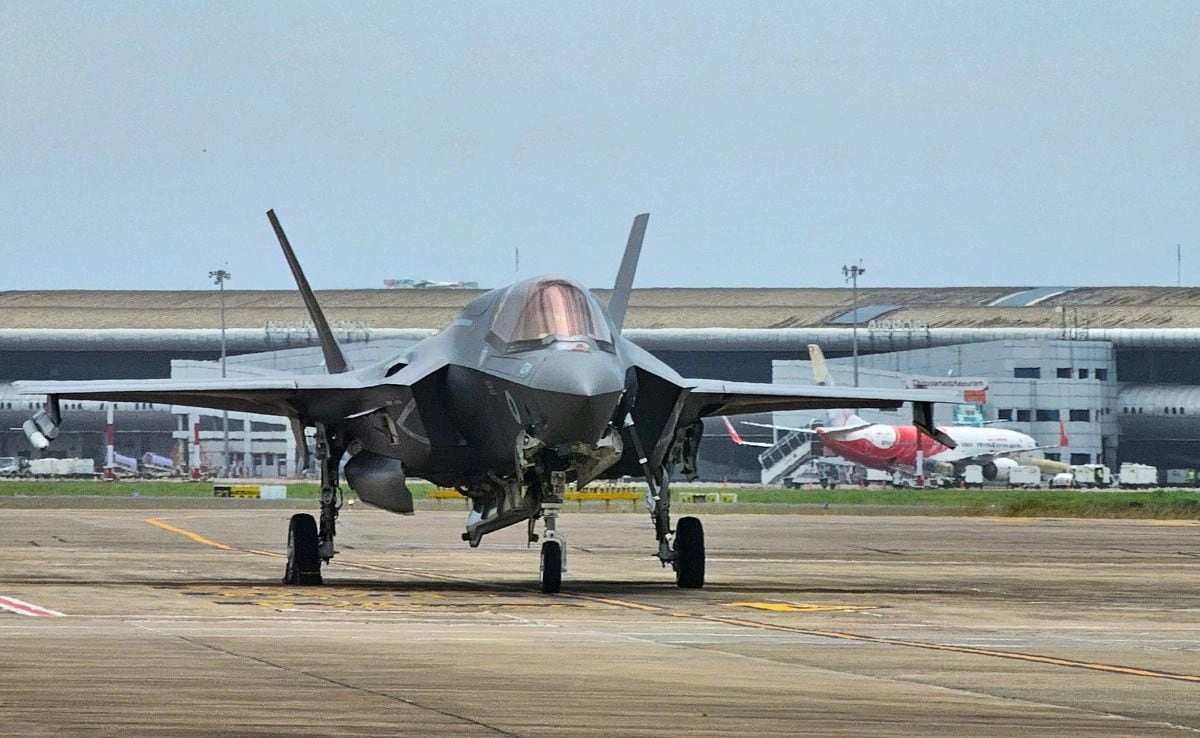
The NATO Chief recently made statements regarding Italy’s involvement in military operations using American aircraft, which sparked a significant response from the Italian government. According to the NATO Chief, Italy had granted extensive permission for the use of these aircraft in various operations. This assertion, however, was met with immediate denial from Italian officials, who clarified that any permission granted was limited and strictly regulated. They emphasized that the scope of operations involving American aircraft was not as broad as suggested by the NATO Chief.
Italian authorities highlighted that their cooperation within NATO is guided by specific national interests and legal frameworks. The country’s stance reflects a commitment to maintaining control over military operations conducted within its airspace and ensuring that its sovereignty is respected. This situation sheds light on the complexities of international military alliances, where different member states may interpret agreements and permissions in varied ways.
The discrepancy between the NATO Chief’s claims and Italy’s response also raises questions about communication and coordination among NATO allies. It underscores the need for clear and consistent dialogue to avoid misunderstandings that could potentially escalate tensions within the alliance. As NATO continues to evolve in response to global security challenges, it is crucial for member states to align their operational strategies and expectations to foster unity and effectiveness in their collective defense efforts.
In conclusion, while NATO aims for a cohesive approach to military operations, the recent exchange between the NATO Chief and Italy illustrates the challenges of navigating national interests within a multinational framework. It serves as a reminder that collaboration in defense matters requires not only mutual agreement but also respect for each nation’s individual policies and operational guidelines.