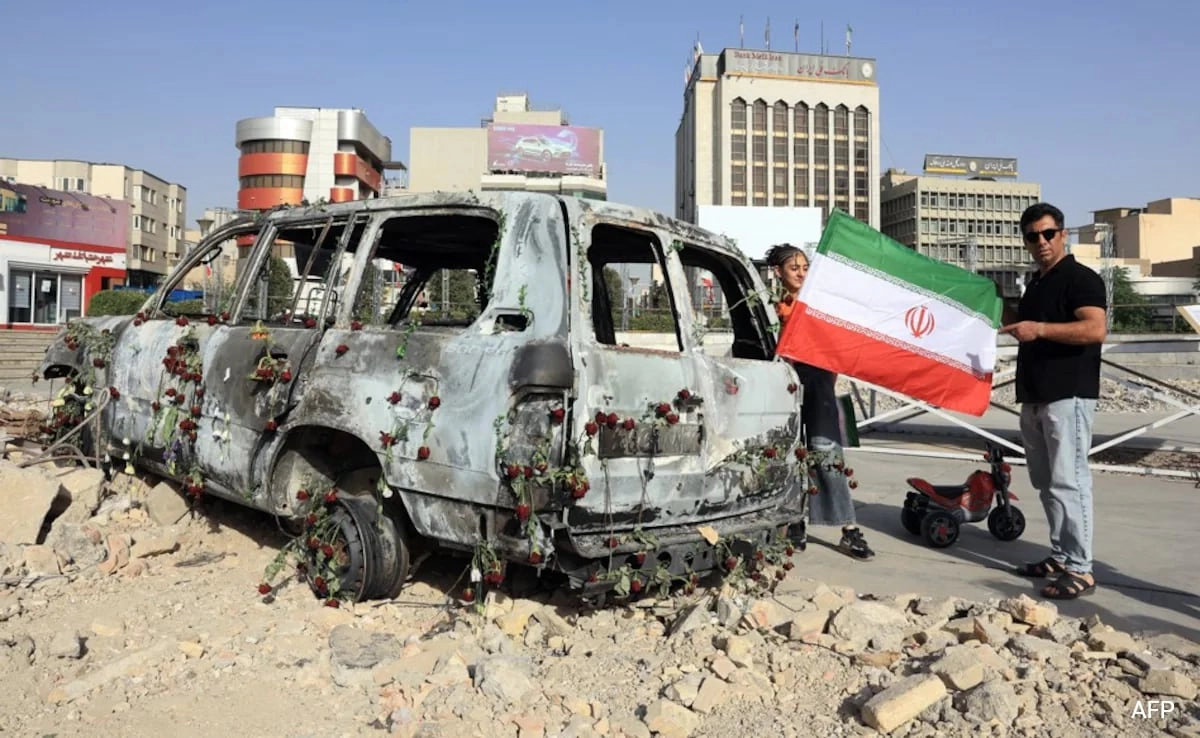
As tensions escalate in the Middle East, the situation between Israel and Iran has reached a critical point, with reports emerging of a new attack launched by Iran. This development comes on the heels of the United States celebrating what it has termed a “historic ceasefire” in the region, highlighting the complexities of the geopolitical landscape. The ceasefire, while a positive step towards de-escalation, appears to be overshadowed by the ongoing hostilities and military actions, particularly as Israel claims that Iran has initiated a fresh offensive.
In the latest developments, Israeli officials have reported that Iranian forces have engaged in attacks that threaten the fragile stability of the region. These actions have raised alarms not only in Israel but also among international observers who are closely monitoring the situation. The U.S. administration, while expressing optimism about the ceasefire, is faced with the challenge of addressing the renewed aggression from Iran. The dual narratives of celebration and conflict illustrate the intricate dynamics at play, as the United States seeks to broker peace while also ensuring its allies’ security.
The implications of this conflict extend beyond the immediate players involved. Regional stability hangs in the balance, and the potential for escalation looms large as both nations navigate their strategic interests. Analysts suggest that Iran’s recent military maneuvers could be a calculated response to perceived threats or a show of strength amidst ongoing diplomatic efforts. Meanwhile, Israel remains vigilant, prepared to defend its sovereignty against any aggressions. As the international community watches closely, the reality on the ground continues to evolve, underscoring the fragility of peace in a region long marred by conflict.
In conclusion, the situation remains fluid, with the potential for rapid changes on the battlefield and in diplomatic circles. As both Israel and Iran navigate this complex landscape, the role of the United States and other global powers will be crucial in shaping the future of the region. The interplay of military actions and diplomatic negotiations will be key in determining whether the fragile ceasefire can hold or if further hostilities will erupt, exacerbating an already volatile environment.