Israel has issued an urgent directive for civilians to evacuate from central Gaza as preparations intensify for a significant military campaign. This announcement comes against the backdrop of ongoing tensions and hostilities in the region, particularly following recent escalations in violence. The Israeli government is taking proactive measures to minimize civilian casualties, urging residents to leave their homes and seek safety in designated areas. This evacuation order reflects Israel’s strategy to target specific militant strongholds while attempting to mitigate the humanitarian impact on the civilian population.
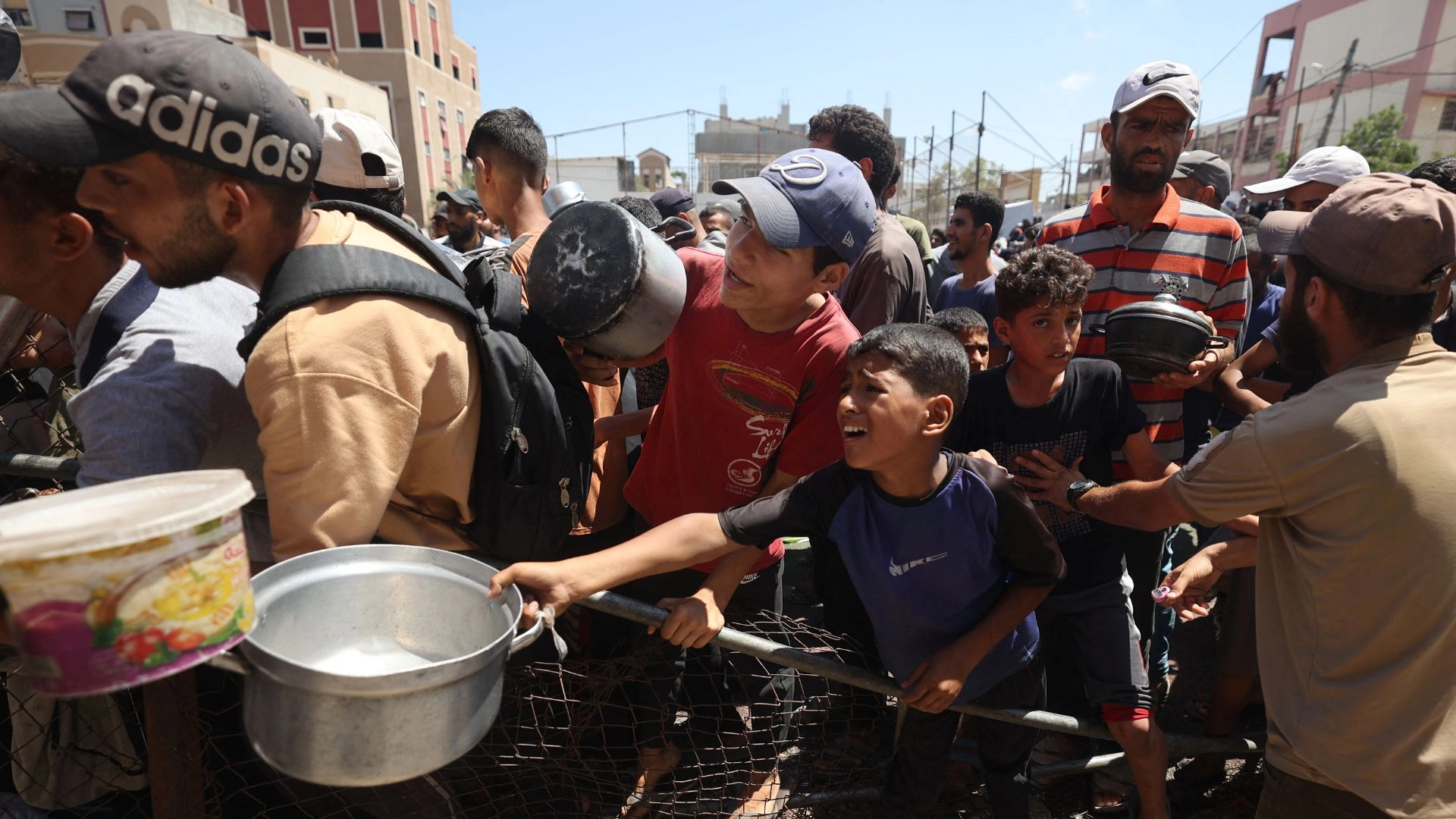
As the situation unfolds, the humanitarian implications of such an order are profound. The densely populated nature of Gaza poses significant challenges for those attempting to evacuate, as infrastructure has been heavily damaged and access to safe routes may be limited. Many civilians face the daunting prospect of leaving their homes amid fears and anxiety, exacerbated by the uncertainty of where they can find refuge. The international community is closely monitoring the developments, with calls for restraint and protection of non-combatants becoming increasingly urgent.
In response to the evacuation orders, humanitarian organizations are mobilizing to provide assistance to those displaced by the conflict. Efforts are being made to ensure that basic needs such as food, water, and medical care are met, but logistical challenges remain. The situation is further complicated by ongoing airstrikes and military operations, which could hinder aid efforts and put more lives at risk. As Israel’s military campaign unfolds, the emphasis on civilian safety will be tested, and the true impact of the conflict on Gaza’s population will become more apparent.
The international diplomatic landscape is also evolving in light of these developments. Various nations and organizations are calling for ceasefires and negotiations aimed at achieving a lasting resolution to the conflict, while also advocating for the protection of civilians. The complexities of the situation highlight the urgent need for dialogue and understanding amidst the hostilities. As both sides brace for what could be a protracted confrontation, the hope remains that diplomatic efforts can pave the way for peace and stability in a region long marred by conflict.