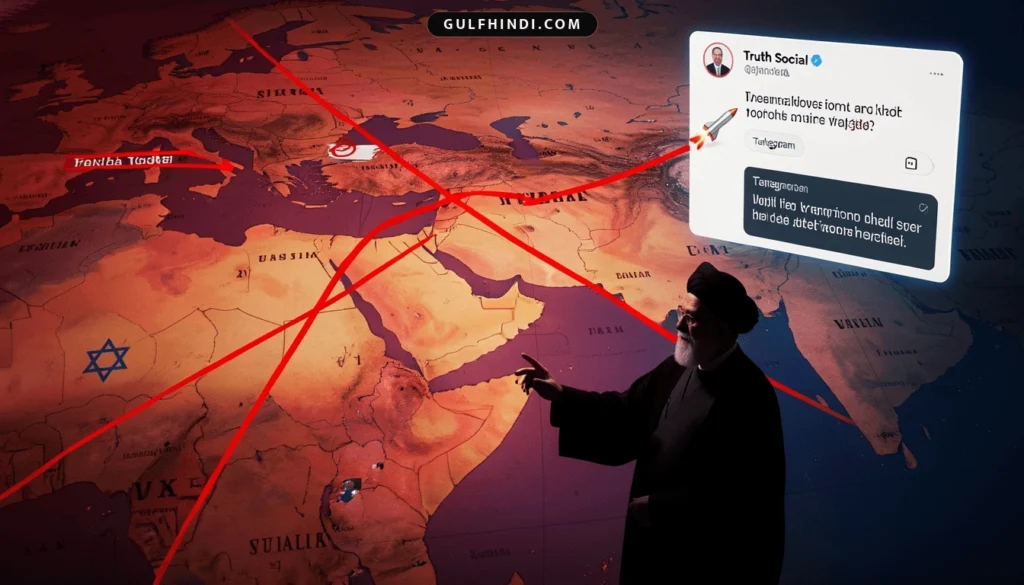
In a significant development, Iran’s newly appointed Supreme Leader has made a bold announcement, vowing to seek revenge for the assassination of his predecessor, a move that heightens tensions in an already volatile region. This declaration underscores the deep-seated animosities and geopolitical rivalries that have characterized Iran’s relations with its adversaries, particularly the United States. The Supreme Leader’s commitment to avenge his father’s murder signals a potential shift in Iran’s foreign policy, which could lead to increased military actions or strategic maneuvers aimed at confronting perceived threats.
In response to this provocative statement, former President Donald Trump has issued a stark warning, threatening to unleash a barrage of 1,000 missiles if Iran pursues aggressive actions. This statement reflects the ongoing hostilities between the two nations and highlights the precarious balance of power in the Middle East. Trump’s rhetoric not only serves to rally his base but also aims to deter Iran from escalating its military ambitions further. The prospect of missile strikes raises concerns about the potential for conflict, prompting calls for diplomatic solutions to prevent an all-out confrontation.
The intersection of these two powerful figures—Iran’s Supreme Leader and Trump’s formidable military threats—creates a highly charged atmosphere that could have far-reaching implications for global security. Analysts are closely monitoring the situation, as both sides appear locked in a cycle of retaliation and heightened military readiness. The stakes are incredibly high, not just for the countries involved but for the broader international community, which remains wary of the possibility of a new conflict erupting in the region. As tensions escalate, the need for dialogue and de-escalation becomes increasingly critical to avoid a disastrous outcome.