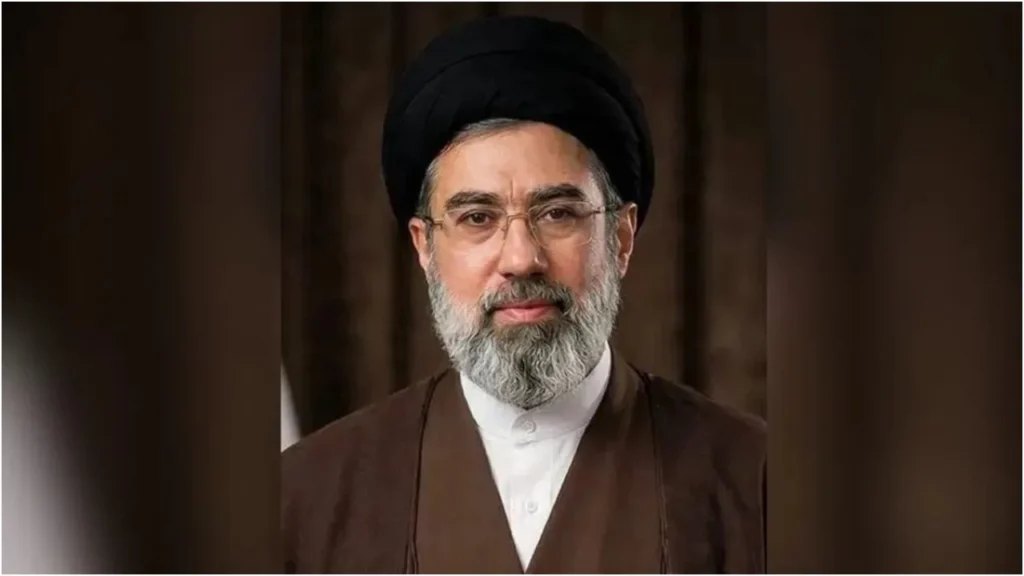
In recent developments, tensions between the United States and Iran have escalated, particularly concerning oil trade. Iran has issued a stern warning regarding its oil exports, which are crucial to its economy and play a significant role in global energy markets. The Iranian government has expressed its readiness to respond decisively to any actions it perceives as threats to its oil shipments, highlighting the strategic importance of these exports not only for its national revenue but also for regional stability.
The backdrop for this warning includes ongoing geopolitical conflicts, particularly in the Gulf region, where U.S. military presence and sanctions against Iran have created an increasingly volatile environment. Iran’s leaders argue that their ability to export oil is under constant threat from U.S. interventions and that any attempt to disrupt their oil trade would meet with a robust response. This situation is further complicated by global energy demands and the desire of many nations to maintain stable access to oil, which makes the stakes particularly high.
As tensions rise, the potential for conflict in the region grows, with both sides bolstering their military postures. Iran’s threats to block oil shipments through strategic waterways, such as the Strait of Hormuz, where a significant portion of the world’s oil passes, underline the critical nexus between military action and energy security. The international community is closely monitoring these developments, as any disruption could lead to significant fluctuations in oil prices and broader economic repercussions worldwide.
In conclusion, the situation remains fluid, with Iran’s warnings reflecting not only its determination to protect its oil trade but also its broader struggle against U.S. sanctions and military pressure. As both nations navigate this tense landscape, the implications for global energy markets and regional stability cannot be understated, making the need for diplomatic solutions more urgent than ever.