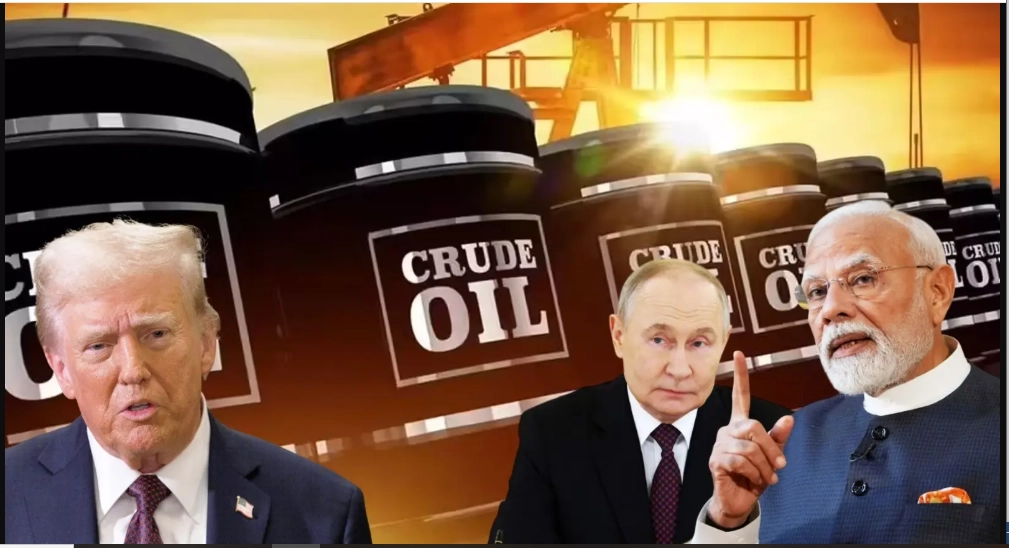
The Indian government has openly dismissed the United States’ assertion regarding a “temporary waiver” related to its oil purchases from Russia. This comes amidst growing tensions and geopolitical complexities stemming from the ongoing conflict in Ukraine. The U.S. had previously indicated that it would support certain exemptions for countries that were heavily reliant on Russian energy but are now pushing for a reduction in such dependencies. In response, Indian officials have made it clear that the country does not require external consent or approval to conduct its trade, particularly when it comes to securing energy resources vital for its economy.
India’s stance is rooted in its commitment to ensuring energy security for its population, which relies significantly on oil imports. The government emphasizes that its energy needs must be met without interference from foreign entities. This declaration not only highlights India’s strategic autonomy but also underscores its position as a sovereign nation that prioritizes its national interests over external pressures. The Indian leadership believes that relationships with other countries, including Russia, are essential for maintaining economic stability and growth, especially in the face of fluctuating global energy prices.
Furthermore, India’s growing energy ties with Russia have been framed within the broader context of global energy dynamics. As countries reevaluate their energy strategies in the wake of geopolitical shifts, India aims to secure favorable deals that align with its long-term objectives. This approach demonstrates India’s pragmatic and independent foreign policy, which seeks to balance multiple relationships without succumbing to pressures from any single nation. The government’s firm stance not only reinforces its commitment to economic self-sufficiency but also signals to the international community that India will chart its own course in the complex landscape of global energy politics.