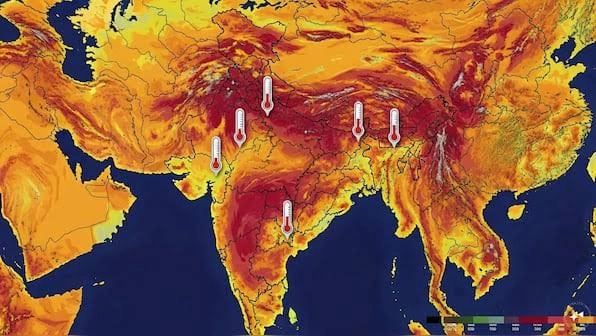
A recent analysis has revealed that a staggering 97 out of the 100 hottest cities in the world are located in India, as an intense heatwave sweeps across the country, pushing temperatures beyond 48°C (118°F) in several regions. This alarming trend highlights the severe impact of climate change and extreme weather patterns, which have become increasingly prevalent in recent years. Many cities, particularly in northern and central India, are experiencing unprecedented heat levels, leading to health risks and challenges for local populations.
The relentless rise in temperatures has prompted concerns from health experts and government officials alike, as prolonged exposure to such extreme heat can lead to heat-related illnesses and exacerbate existing health conditions. Vulnerable populations, including the elderly and those with pre-existing health issues, are particularly at risk. Moreover, the agricultural sector is facing significant challenges, with crops suffering from heat stress, which could lead to decreased yields and increased food insecurity in the future.
In response to this crisis, authorities are implementing various measures to mitigate the effects of the heatwave. Public awareness campaigns are being launched to educate citizens on staying safe during extreme heat conditions, while local governments are working to provide relief through cooling centers and access to clean drinking water. Additionally, discussions around long-term strategies to combat climate change and improve urban infrastructure are gaining momentum, as the need for sustainable solutions becomes increasingly urgent.
As India grapples with this severe heatwave, the situation serves as a wake-up call for the global community to address climate change more aggressively. The fact that such a large proportion of the world’s hottest cities are concentrated in one country underscores the urgent need for collaborative efforts to tackle this pressing issue. With rising temperatures expected to become more common, it is imperative to prioritize climate resilience and sustainability to protect both people and the planet.