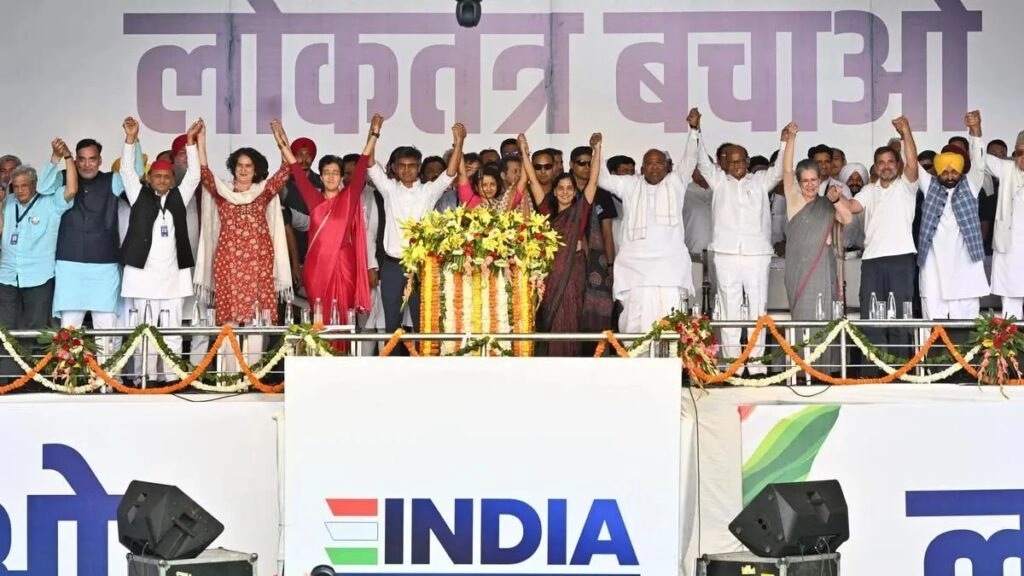
The recent gathering of the INDIA bloc in Delhi has sparked significant interest and speculation regarding the current state of opposition unity in India. This meeting, attended by various leaders from the coalition, was held against a backdrop of high political stakes as the nation approaches critical elections. The INDIA bloc, formed to present a united front against the ruling party, aims to consolidate opposition forces to challenge the dominant narrative and policies of the government. However, the effectiveness of this coalition is under scrutiny, with many observers questioning whether the meeting was a genuine display of solidarity or a sign of underlying fractures within the alliance.
As opposition leaders gathered, the atmosphere was charged with both hope and apprehension. On one hand, the coalition’s leaders sought to project a united front, emphasizing the importance of collaboration to address common challenges and concerns faced by the electorate. They discussed strategies to enhance their outreach and effectively communicate their vision to the public. On the other hand, the meeting also highlighted the complexities and tensions that exist among the various parties involved. Divergent ideologies, regional interests, and individual ambitions could potentially pose significant obstacles to sustaining a cohesive opposition.
While the INDIA bloc has made strides in coming together, the question of how long this unity can be maintained looms large. Political analysts point to recent instances of dissent and differing priorities among member parties as potential indicators of growing cracks in the coalition. As the political landscape continues to evolve, the ability of the INDIA bloc to navigate these challenges will be critical in determining its success or failure in the upcoming elections. Ultimately, the Delhi huddle served both as a platform for reaffirming commitments to unity and as a reminder of the fragility of opposition alliances in the face of competitive electoral politics.