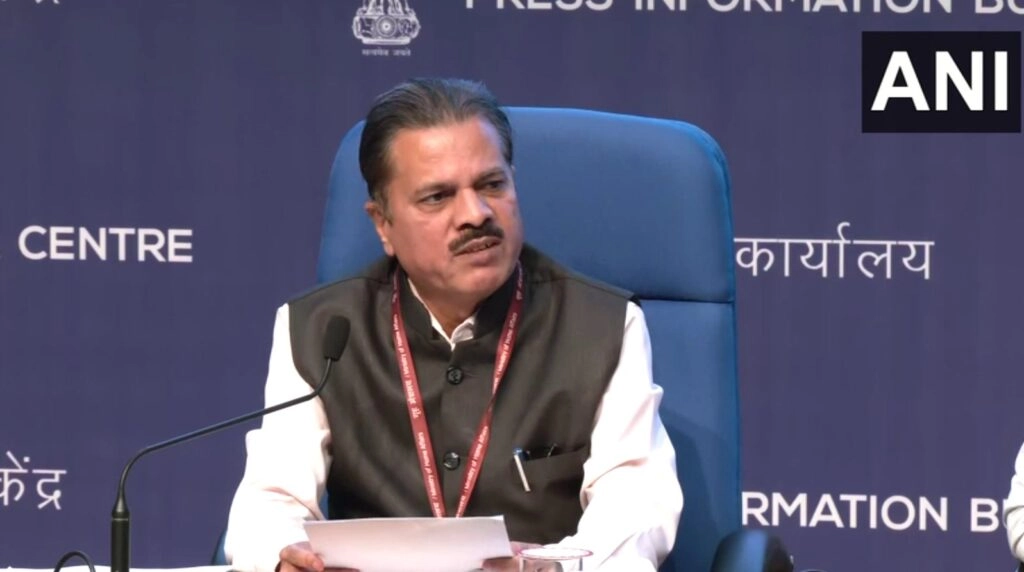
The Indian Meteorological Department (IMD) has forecasted a below-normal monsoon rainfall for the country this year, raising concerns among farmers and agricultural experts. The monsoon season, which typically spans from June to September, is crucial for India’s agrarian economy, as a significant portion of the country’s agricultural output relies on this seasonal rainfall. The IMD’s prediction indicates that the total rainfall may fall short of the long-term average, which could have far-reaching implications for crop production and food security.
The forecast of diminished rainfall can lead to several challenges for farmers, particularly in regions that depend heavily on rain-fed agriculture. Insufficient rainfall can hinder the growth of crops such as rice, wheat, and pulses, which are staples in the Indian diet. This situation may not only affect the farmers’ income but can also lead to increased food prices, impacting consumers across the nation. Furthermore, states that are already grappling with water scarcity may face heightened stress on their water resources, leading to potential conflicts over water usage and management.
In light of these predictions, it is essential for stakeholders, including government agencies and agricultural organizations, to implement proactive measures. This could involve providing financial assistance to farmers, promoting drought-resistant crop varieties, and investing in irrigation infrastructure. Additionally, there may be a need for effective water conservation strategies to ensure that available resources are utilized efficiently. By taking these steps, the impact of below-normal monsoon rainfall can be mitigated, helping to sustain agricultural productivity and maintain food security for the nation.
The IMD’s warning highlights the importance of climate monitoring and the need for adaptive strategies within the agricultural sector. As climate change continues to influence weather patterns, it becomes increasingly crucial for farmers and policymakers to remain vigilant and responsive to such forecasts. By fostering resilience within the agricultural community, India can better navigate the challenges posed by unpredictable monsoon seasons and ensure a stable food supply for its growing population.