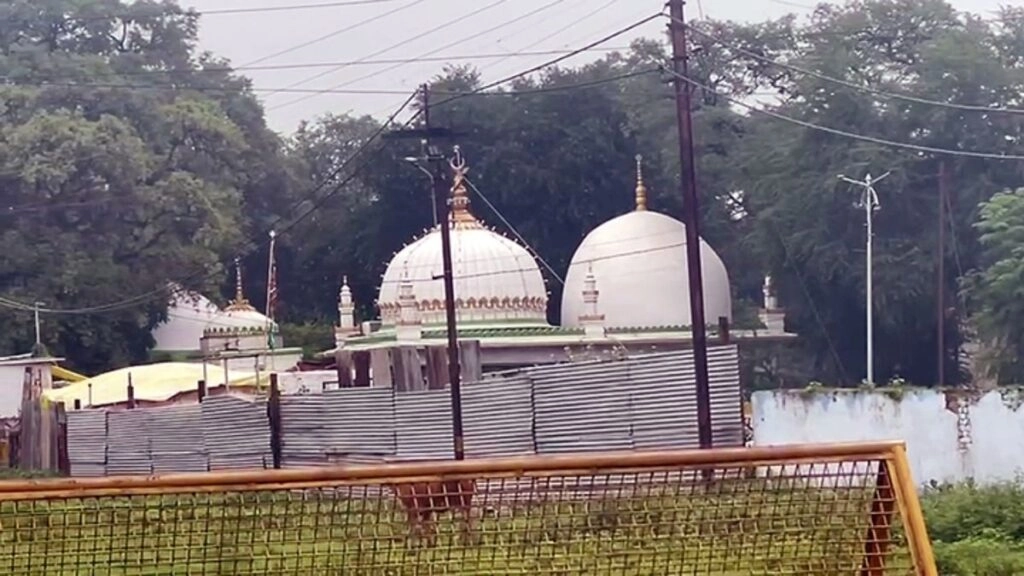
The High Court has recognized the Bhojshala, a historic Hindu temple, as an important part of India’s cultural heritage. This decision highlights the temple’s significance not only in religious terms but also as a monument that embodies a thousand years of history and tradition. The Bhojshala, built by the legendary King Bhoj, stands as a testament to the architectural and spiritual achievements of the period. Raja Bhoj, known for his contributions to art, literature, and architecture, established this temple to honor the goddess Saraswati, the deity of knowledge and learning, which further underscores its cultural importance.
The glorious history of Bhojshala dates back to the 11th century, showcasing the rich tapestry of Indian civilization during that era. The temple is not just a religious site; it reflects the intricate artistry and engineering skills of the time. The craftsmanship displayed in the temple’s architecture, with its elaborate carvings and detailed stonework, provides insight into the cultural and spiritual life of the people who inhabited the region. Additionally, Bhojshala has been a center for learning and scholarship, attracting scholars and devotees alike, which further cements its legacy as a beacon of knowledge.
In recent years, the Bhojshala has also been at the center of various legal and social discussions, as its significance has been debated among different communities. The High Court’s acknowledgment of the temple as a heritage site aims to preserve its history and promote cultural awareness among future generations. By recognizing its importance, the court not only honors the legacy of Raja Bhoj but also emphasizes the need to protect and celebrate India’s diverse cultural heritage. This decision serves as a reminder of the rich historical narratives that temples like Bhojshala embody, and the role they play in connecting contemporary society to its past.