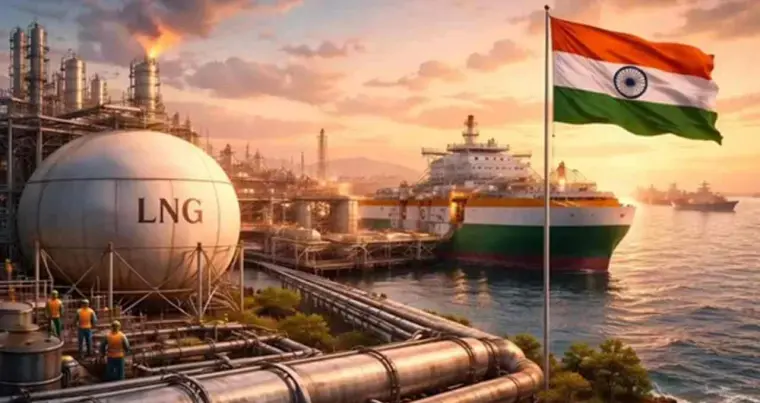
The ongoing geopolitical tensions in the Gulf region are increasingly raising concerns about a potential gas crisis that could directly impact households. As nations grapple with fluctuating energy supplies and rising prices, the prospect of a gas shortage looms large, threatening to disrupt daily life for millions. The Gulf, a pivotal area for global energy production, has been experiencing heightened conflicts that could jeopardize the stability of gas supplies. With many countries heavily reliant on these resources for heating and cooking, the ramifications of a crisis could be severe.
The interconnectedness of global energy markets means that disruptions in the Gulf can lead to widespread consequences. For instance, if key oil and gas-producing nations face sanctions or engage in military conflicts, the ripple effects could lead to shortages far beyond their borders. Countries that import natural gas from the Gulf may find themselves facing soaring prices, which would inevitably trickle down to consumers. As energy bills rise, families might have to make difficult decisions regarding their budgets, potentially cutting back on essential needs.
Moreover, the situation is further complicated by the ongoing transition to renewable energy sources. While many nations are investing in sustainable alternatives, the immediate reliance on fossil fuels means that any instability in gas supplies can have a direct impact on energy availability. As governments attempt to balance the shift to greener energy with the current demand for gas, the risk of shortages becomes more pronounced. This delicate balancing act may lead to increased competition for resources, exacerbating tensions not only in the Gulf but also in regions dependent on imported gas.
In conclusion, the Gulf tension poses a significant risk of a gas crisis that could ultimately reach into the kitchens of households across the globe. As energy supplies become more precarious, the potential for rising prices and shortages looms large. It is imperative for both governments and consumers to remain vigilant and proactive in addressing these challenges, ensuring that the transition to sustainable energy does not come at the expense of immediate needs for heating and cooking. The interplay between geopolitical stability and energy security will continue to shape the future of energy consumption in the coming years.