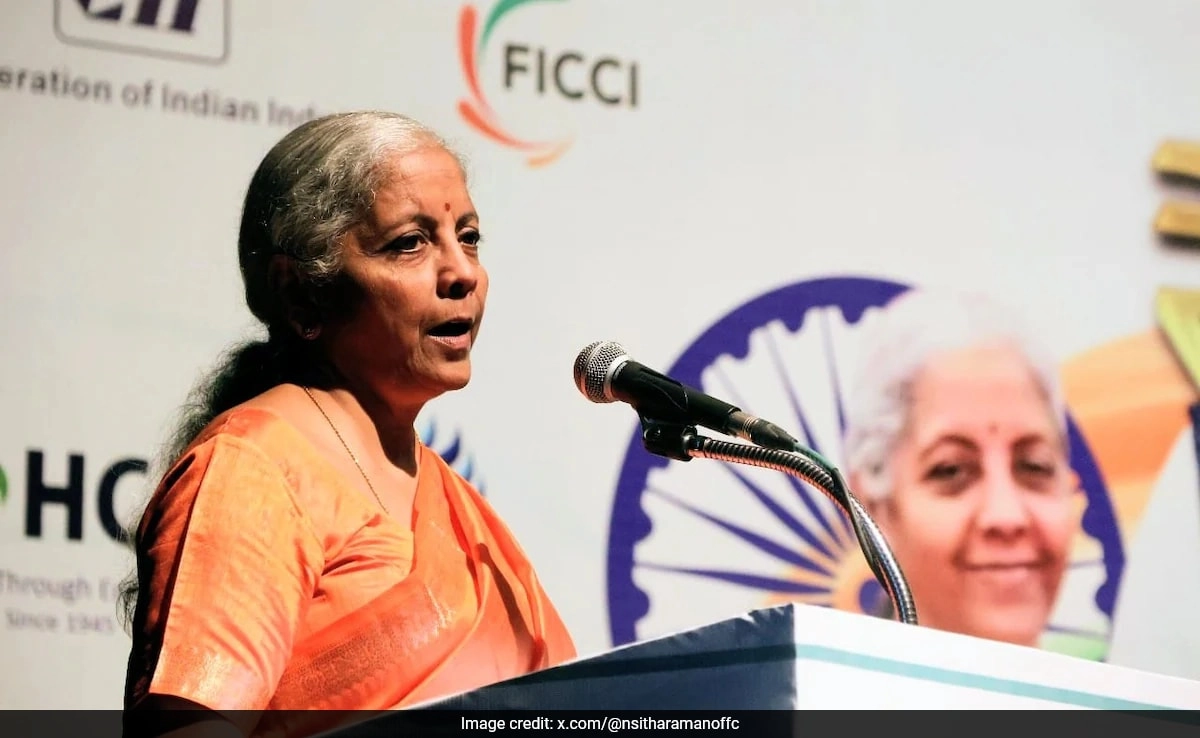
In a recent statement, Finance Minister Nirmala Sitharaman hailed the newly implemented Goods and Services Tax (GST) structure as a significant achievement for all citizens of India. She emphasized that the revamped GST system is designed to simplify tax compliance and enhance the ease of doing business, ultimately benefiting the economy at large. The new structure is expected to streamline tax collection and reduce the burden on taxpayers, thereby promoting transparency and efficiency in the taxation process. Sitharaman’s comments reflect the government’s ongoing commitment to reforming the tax landscape, making it more accessible and user-friendly for everyone.
The Minister pointed out that the new GST framework encompasses a range of measures aimed at addressing the challenges faced by various sectors. By consolidating multiple tax rates into a more coherent system, the government aims to eliminate the complexity that often deters businesses, particularly small and medium enterprises, from thriving. This initiative not only seeks to boost economic growth but also aims to create a level playing field for businesses across the country. Sitharaman underscored the importance of collaboration among states and the central government, stating that a unified approach is crucial for the successful implementation of the new GST structure.
Moreover, Sitharaman highlighted that the updated GST structure is a victory for every citizen, as it ultimately leads to lower prices on goods and services. With the reduction of compliance burdens and the promotion of a more transparent tax regime, consumers can expect to benefit from an enhanced purchasing power. This positive outcome is expected to stimulate consumption, which is vital for the overall economic development of the nation. The Minister’s assurance of continued support for taxpayers, alongside the government’s commitment to monitoring and refining the GST system, reflects a proactive approach to ensuring that the benefits of this reform reach the grassroots level.
In conclusion, Nirmala Sitharaman’s praise for the new GST structure underscores a momentous shift in India’s taxation framework. By prioritizing simplification, transparency, and efficiency, the government is not only fostering a more conducive environment for businesses but also empowering citizens through economic growth. As the nation moves forward with this new tax regime, the collaborative efforts between various stakeholders will be crucial in realizing the full potential of GST, ensuring that it serves as a catalyst for progress and prosperity in the years to come.