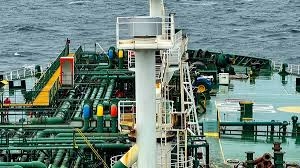
In a significant development regarding the ongoing LPG crisis, the government has taken decisive action by eliminating the requirement for permits to cross the Strait of Hormuz. This strategic move aims to facilitate the smoother transportation of liquefied petroleum gas (LPG) through this crucial maritime route, which has long been a vital artery for global energy supplies. The Strait of Hormuz is known for its narrow passage and high traffic, making it a critical chokepoint for shipping routes, particularly for oil and gas exports from the Gulf region.
By removing the permit requirement, the government hopes to alleviate some of the logistical challenges that have plagued LPG transport in recent times. This decision comes in response to increasing demand for LPG, both domestically and internationally, as countries seek to diversify their energy sources and ensure the availability of this essential fuel. The ease of movement across the Strait is expected to enhance the efficiency of supply chains, reduce delays, and ultimately stabilize LPG prices in the market.
Furthermore, this initiative reflects a broader commitment to ensuring energy security and supporting economic growth. By streamlining the regulatory framework surrounding LPG transport, the government is positioning itself as a key player in the global energy landscape. It underscores the importance of maintaining open and secure maritime routes, especially in a time when geopolitical tensions can threaten the stability of energy supplies. Overall, this action is a proactive step towards addressing the LPG crisis and ensuring that energy needs are met without unnecessary hindrances.