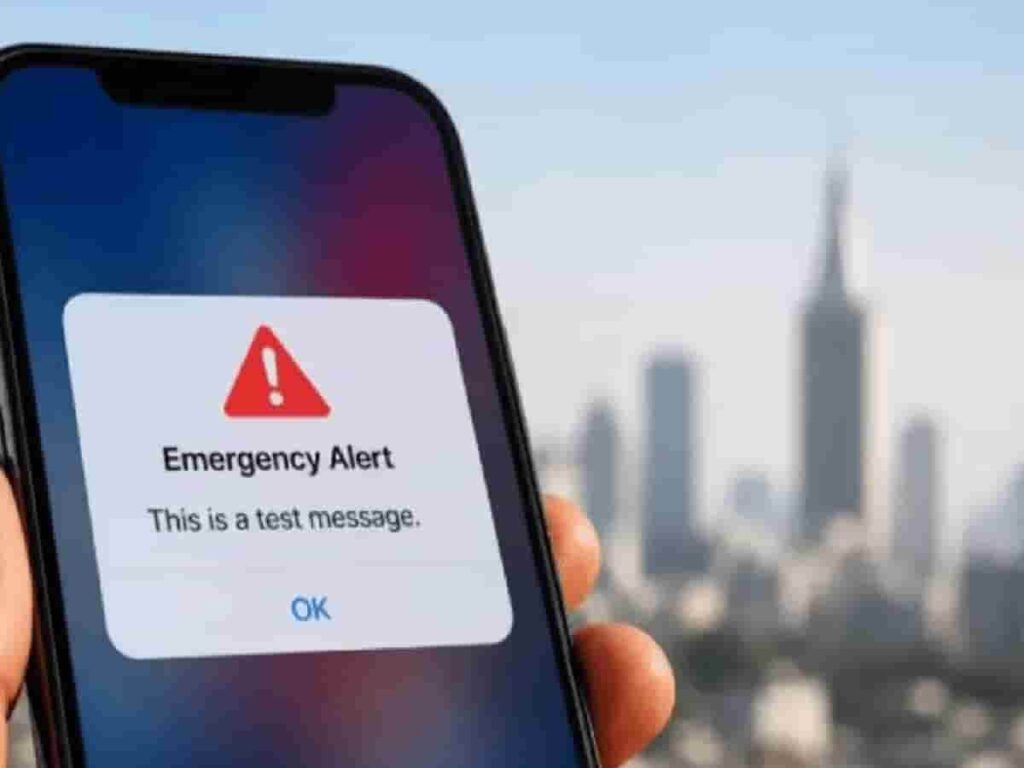
In a surprising turn of events, the government has decided to halt the ‘Emergency Alert’ service just one month after its implementation. This service was designed to provide critical information and alerts to citizens in real-time, especially during emergencies such as natural disasters, public safety threats, or health crises. Many people welcomed the initiative, appreciating the potential for timely communications that could save lives and keep the public informed. However, the sudden discontinuation of this service has raised questions and concerns among the populace.
The government’s abrupt decision to silence mobile phones and end the Emergency Alert service has left many citizens feeling vulnerable and uncertain. The primary goal of the service was to enhance public safety by ensuring that people received crucial alerts directly on their mobile devices. With the service now suspended, individuals are left wondering how they will receive important updates during emergencies. Critics of the decision argue that the government has taken a step backward in ensuring public safety and preparedness. They highlight that in a world increasingly reliant on technology, maintaining such communication channels is essential for effective crisis management.
Moreover, the reasons behind the government’s swift action have not been clearly communicated to the public, leading to speculation about potential technical difficulties, privacy concerns, or even political motivations. As citizens await further clarification, there is a growing sentiment that transparency and accountability are paramount when it comes to public safety measures. The government must address these concerns and provide an explanation for the abrupt cessation of a service that many believed would enhance their security.
In the absence of the Emergency Alert service, communities may need to rely on alternative methods to stay informed during emergencies. Local news outlets, social media, and community networks could become vital sources of information. However, the effectiveness of these alternatives may vary, and not everyone may have access to them. As this situation unfolds, the public’s demand for a reliable and efficient emergency communication system remains strong, emphasizing the need for the government to reconsider its decision and explore ways to improve or replace the service in the future.