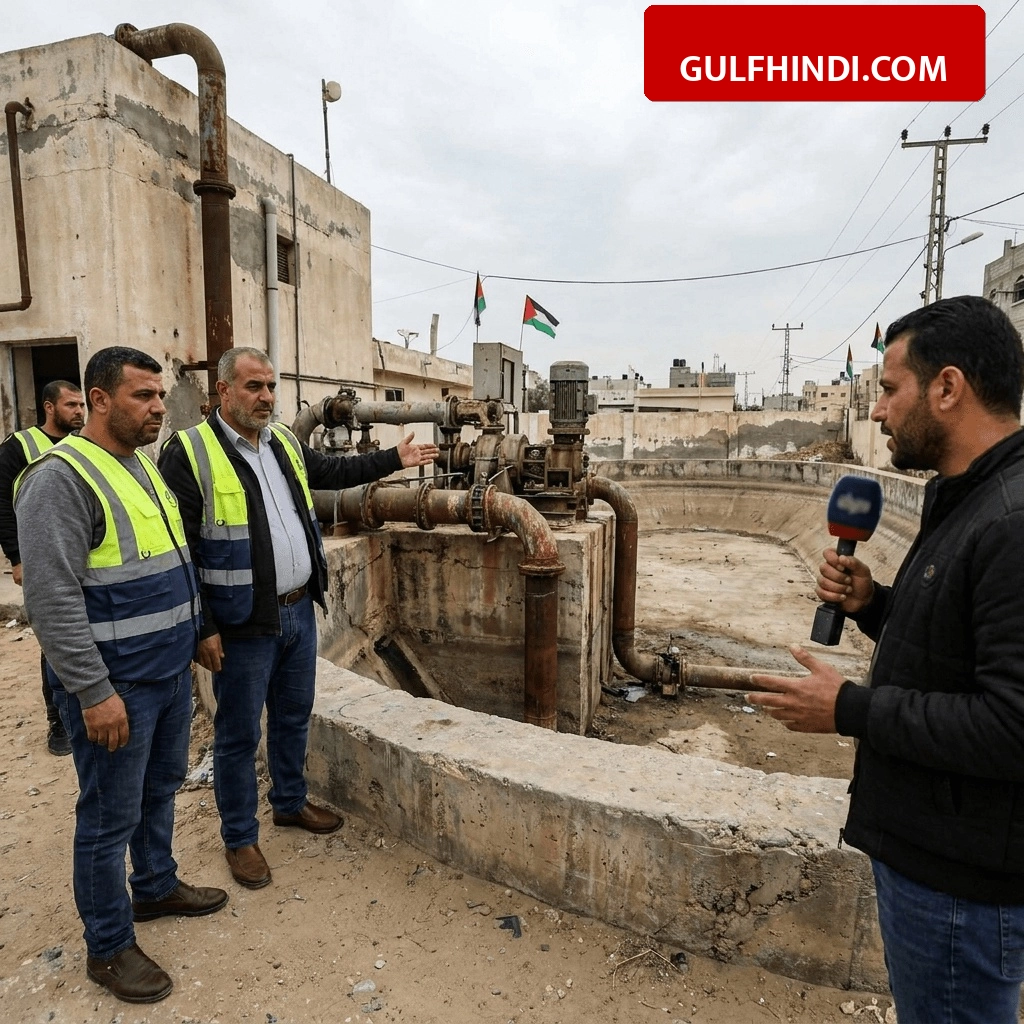
The Gaza crisis has reached a critical juncture, marked by the complete failure of the sewage system in the region. This breakdown has led to a severe public health risk, as untreated sewage seeps into the streets and water supply, creating an environment ripe for the spread of diseases. The implications of this failure are dire, particularly for a population already grappling with the effects of ongoing conflict and humanitarian challenges. With the infrastructure in tatters, the likelihood of waterborne diseases such as cholera and dysentery has surged, putting immense pressure on an already strained healthcare system.
As the situation continues to deteriorate, the risk of widespread illness looms large over the people of Gaza. The combination of overcrowding, limited access to clean water, and the absence of a functional sewage system exacerbates the vulnerabilities faced by residents, particularly among children and the elderly. Health officials warn that without immediate intervention, the outbreak of diseases could overwhelm medical facilities, which are already operating beyond capacity. The humanitarian crisis is further compounded by restrictions on the movement of people and goods, making it increasingly difficult for aid organizations to provide essential relief.
International attention is urgently needed to address this escalating crisis. Humanitarian organizations are calling for immediate access to deliver emergency supplies, including clean water and sanitation resources, to mitigate the health risks posed by the sewage crisis. Without prompt action, the consequences could be catastrophic, leading to a humanitarian disaster that extends beyond the immediate borders of Gaza. The global community must recognize the severity of the situation and work collectively to provide support, ensuring that the people of Gaza receive the aid they desperately need to survive this crisis.