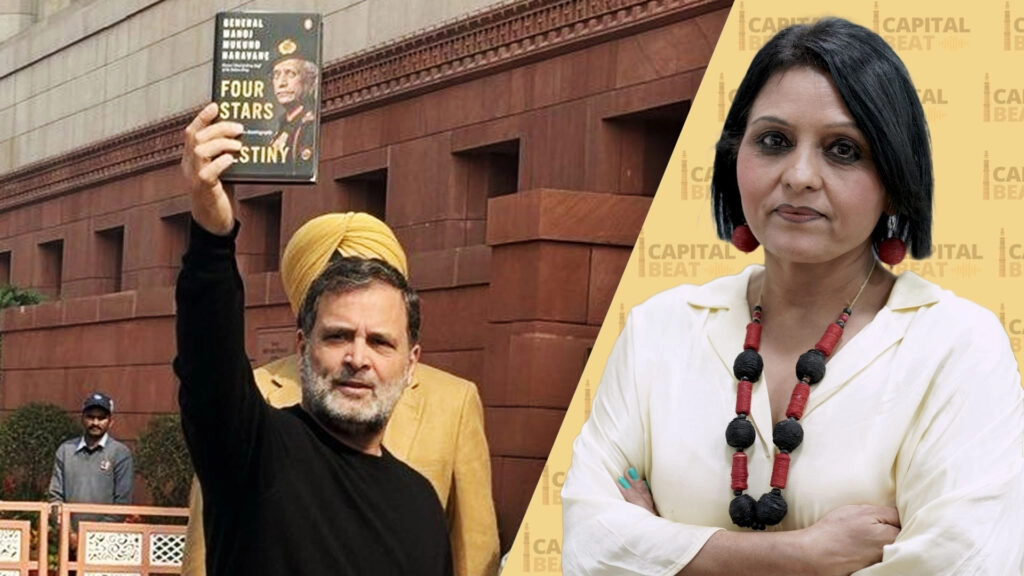
The recent surge of unauthorized content leaks has raised significant concerns regarding copyright infringement and ethical practices in the digital age. Experts in intellectual property law and digital ethics are increasingly scrutinizing the motives behind these leaks, which often involve sensitive information or creative works that are protected under copyright law. Such leaks can arise from various factors, including malicious intent, coercion, or even accidental dissemination. Understanding the nuances of these motivations is crucial for addressing the legal and ethical implications of unauthorized content distribution.
Copyright violation remains a central issue in discussions about illegal leaks. When proprietary material is leaked without permission, it undermines the rights of creators and can lead to substantial financial losses. The legal framework surrounding copyright is designed to protect the original works of authors, artists, and companies, ensuring that they receive recognition and compensation for their creations. However, the rapid evolution of technology and the internet has made it increasingly challenging to enforce these rights effectively, as content can be shared and replicated at unprecedented speeds. This has prompted calls for stronger legal protections and clearer guidelines for both creators and consumers.
Moreover, the role of coercion in the leaking of sensitive information cannot be overlooked. In some cases, individuals may be pressured to release confidential material, whether through threats, manipulation, or other forms of coercion. This raises ethical questions about the responsibility of individuals and organizations to safeguard sensitive information and the potential consequences when that responsibility is compromised. The intersection of coercion and copyright violation highlights the complex landscape in which creators and consumers navigate, underscoring the need for a comprehensive understanding of both legal and ethical considerations in the digital realm.
As experts continue to analyze these issues, it becomes evident that a multifaceted approach is necessary to address the challenges posed by illegal leaks and copyright violations. This includes not only strengthening legal frameworks but also fostering a culture of respect for intellectual property rights. Education and awareness campaigns can play a vital role in informing the public about the importance of protecting creative works and the potential consequences of engaging in or facilitating unauthorized content distribution. By promoting ethical practices and encouraging dialogue among stakeholders, we can work towards a more responsible digital ecosystem that respects the rights of creators while fostering innovation and creativity.