In a significant diplomatic move, the leader of the European Union has been invited as the chief guest for India’s Republic Day celebrations in 2026. This invitation underscores India’s commitment to strengthening its ties with European nations and signifies a growing recognition of the EU’s role in global affairs. The choice of the EU leader represents a strategic effort by India to enhance its international partnerships and foster collaboration on various fronts, including trade, climate change, and security.
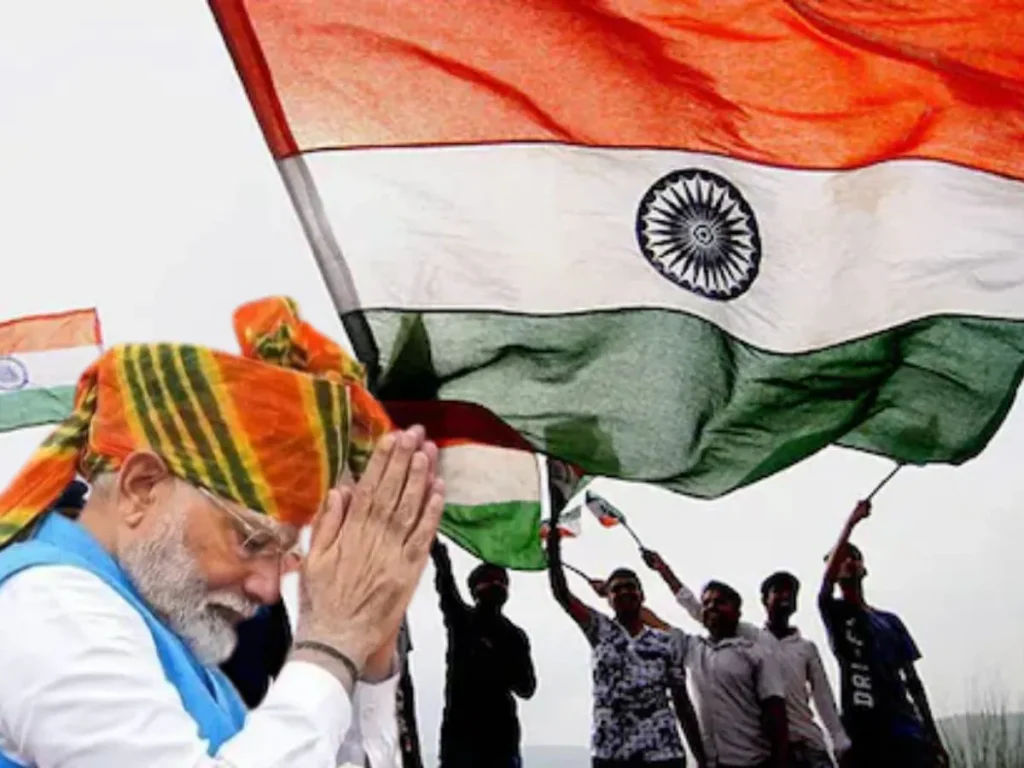
Republic Day, celebrated on January 26, is a momentous occasion for India, marking the adoption of its Constitution in 1950. Traditionally, the chief guest at this event is a dignitary from a foreign nation, and the selection of the EU leader reflects India’s desire to elevate its diplomatic profile on the world stage. By inviting a prominent figure from the EU, India aims to signal its intent to engage with Europe more deeply, particularly in light of the shifting geopolitical landscape and the increasing importance of multilateralism.
This invitation comes at a time when India is actively pursuing a foreign policy that emphasizes collaboration and partnership with various global entities. The EU, with its diverse member states and significant economic influence, presents a valuable ally for India as it seeks to bolster its standing in international forums and address pressing global challenges. The engagement with the EU could also pave the way for enhanced trade agreements and investment opportunities, benefiting both parties.
As India prepares for this landmark event, the invitation to the EU leader serves as a testament to its diplomatic ambitions and willingness to engage with influential global players. This move is expected to resonate well within the international community, showcasing India’s role as a key player in fostering dialogue and cooperation among nations. As the date approaches, all eyes will be on how this partnership evolves and the potential impacts it may have on India’s foreign relations and economic prospects.