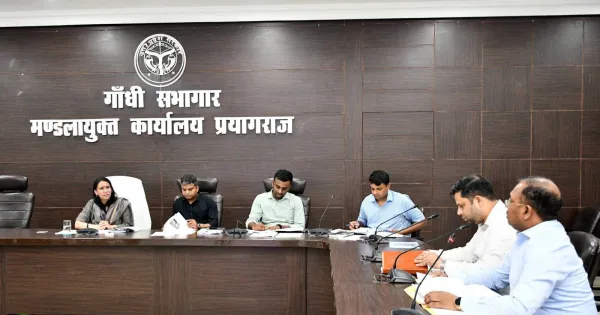
The recent divisional level meeting focused on urban flood control, underscoring the growing concerns surrounding water management in urban areas. As climate change continues to intensify weather patterns, cities are increasingly susceptible to flooding, necessitating proactive measures to mitigate these risks. The meeting brought together key stakeholders, including city planners, engineering experts, and environmentalists, to discuss innovative strategies and collaborative efforts aimed at improving urban infrastructure and enhancing flood resilience.
During the meeting, participants shared insights on the latest technologies and methodologies for flood management, such as the implementation of green infrastructure, which includes permeable pavements, green roofs, and rain gardens. These solutions aim to reduce runoff and improve the absorption of rainwater, thus decreasing the likelihood of urban flooding. Furthermore, discussions highlighted the importance of data-driven approaches, including predictive modeling and real-time monitoring systems, to better understand flood patterns and prepare for extreme weather events.
The meeting also emphasized the need for community engagement and public awareness regarding flood risks and preparedness. Engaging local residents in flood management initiatives can foster a sense of responsibility and encourage proactive behaviors. By educating the public on best practices, such as maintaining drainage systems and creating emergency response plans, communities can significantly enhance their resilience to flooding.
In conclusion, the divisional level meeting on urban flood control served as a vital platform for collaboration and knowledge sharing. The collective efforts of stakeholders are crucial in developing comprehensive strategies that not only address current challenges but also anticipate future risks associated with urban flooding. By integrating innovative technologies, fostering community participation, and enhancing infrastructure, cities can better safeguard their populations against the increasing threat of floods.