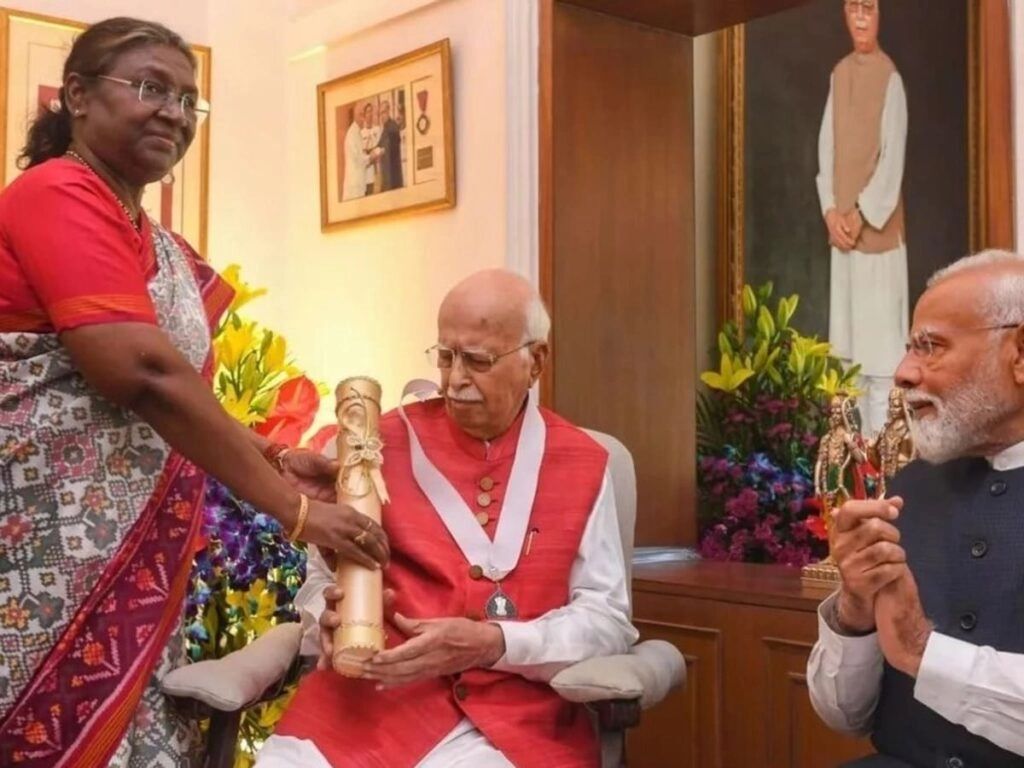
The incident that has become a point of contention in Bengal revolves around an image that has sparked discussions about respect and protocol in political settings. Prime Minister Narendra Modi’s interaction with President Droupadi Murmu during a recent event has led to accusations of disrespect, igniting a debate about the dynamics of power and gender in Indian politics. The photograph in question captures a moment where Modi appears to be dismissively engaging with Murmu, which some critics interpret as a lack of respect towards the first tribal woman to hold the office of President.
Supporters of President Murmu argue that the Prime Minister’s demeanor was inappropriate, especially given the significance of her position as the head of state. They believe that such moments reflect broader societal attitudes towards women in leadership roles and highlight the need for greater sensitivity and decorum in political discourse. Furthermore, the context of the event—where Modi and Murmu were present together—adds another layer to the discussion, as it raises questions about how leaders should interact in public settings, particularly when representing the nation.
On the other hand, some commentators defend Modi, suggesting that the interpretation of the photograph may be exaggerated. They argue that political leaders often engage in informal exchanges that may not necessarily reflect their true feelings or intentions. This perspective emphasizes the importance of understanding the nuances of body language and context in political interactions. Nonetheless, the incident has opened the floor for a larger conversation about respect, representation, and the challenges faced by women in positions of power within a predominantly male-dominated political landscape.
As this debate continues to unfold, it serves as a reminder of the intricate relationship between symbolism and reality in politics. The way leaders conduct themselves in public not only influences perceptions of their character but also shapes the public’s understanding of authority and respect. In a diverse nation like India, where cultural and historical contexts play significant roles, discussions about respect and decorum are crucial in fostering a more inclusive political environment. The photograph that shook Bengal may have been just a fleeting moment, but it has undoubtedly sparked a deeper examination of gender dynamics and respect within the highest echelons of power.