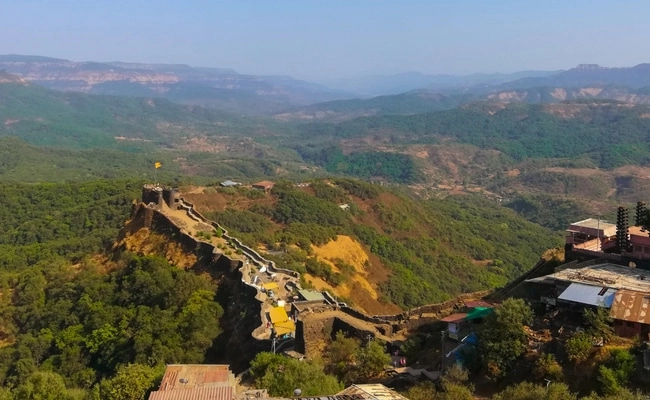
The Deccan Traps, a vast volcanic plateau located in western India, have recently gained prominence as one of the seven new sites included in UNESCO’s Tentative World Heritage List for India. This distinctive geological formation, which dates back to the late Cretaceous period, is characterized by its extensive layers of basalt rock formed by ancient volcanic eruptions. The Deccan Traps not only offer a remarkable insight into the Earth’s geological history but also play a crucial role in understanding the environmental conditions that prevailed during one of the most significant mass extinctions in Earth’s history. The inclusion of this site in the UNESCO list underscores the importance of preserving such unique geological formations, which provide both scientific knowledge and natural beauty.
Mahabaleshwar, another notable site among those proposed for UNESCO recognition, is renowned for its stunning landscapes and rich biodiversity. Nestled in the Sahyadri mountain range, Mahabaleshwar is a popular hill station known for its lush greenery, panoramic viewpoints, and pleasant climate. The region is home to several endemic plant and animal species, making it a vital ecological zone that contributes to the overall environmental health of the Western Ghats. The combination of its natural beauty and ecological significance makes Mahabaleshwar a deserving candidate for inclusion in the UNESCO World Heritage List.
The recognition of both the Deccan Traps and Mahabaleshwar highlights India’s diverse cultural and natural heritage, which is crucial in fostering tourism, education, and conservation efforts. As India continues to expand its representation on the global stage, the inclusion of these sites in the Tentative World Heritage List serves as a reminder of the country’s rich history and its commitment to preserving its natural wonders. The potential for sustainable tourism in these areas can also lead to economic benefits for local communities, encouraging them to engage in conservation practices that protect these invaluable resources for future generations.
In summary, the selection of the Deccan Traps and Mahabaleshwar as new entries in UNESCO’s Tentative World Heritage List reflects India’s diverse natural and cultural landscapes. These sites not only offer historical and scientific insights but also contribute to the ecological integrity of the region. As India moves forward in its efforts to promote heritage conservation, the recognition of such sites will play a pivotal role in enhancing global awareness and appreciation for the country’s unique offerings.