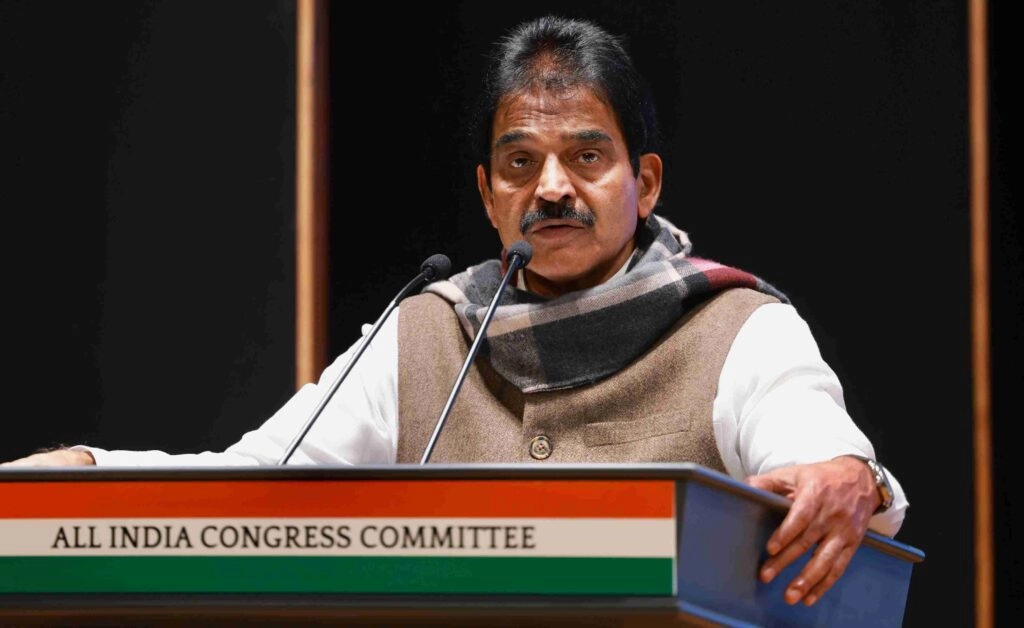
The Indian National Congress has initiated a privilege notice against Prime Minister Narendra Modi in response to his recent address to the nation. This action reflects the party’s growing discontent with the Prime Minister’s statements and the manner in which he communicates critical information to the public. The address, which covered various significant issues, has been perceived by Congress as an attempt to mislead the nation or avoid accountability on pressing matters affecting the citizens.
In the political arena, privilege motions are often employed as a tool to hold members of the parliament accountable for their statements and actions. By moving this notice, Congress aims to highlight what they consider an infringement on parliamentary decorum and the responsibilities of a public official. The party’s leadership argues that the Prime Minister’s address lacked transparency and did not adequately address the concerns that have been raised by the opposition and the general populace.
This development also underscores the ongoing tensions between the ruling party and the opposition, as both sides continue to grapple with issues ranging from economic challenges to social justice. The Congress party’s move could escalate the political discourse, pushing the government to clarify its stance on various issues and potentially leading to a broader debate in Parliament. As the situation unfolds, it will be essential to monitor how this privilege notice impacts the dynamics of the current political landscape in India, especially as the country prepares for upcoming elections and faces numerous challenges.