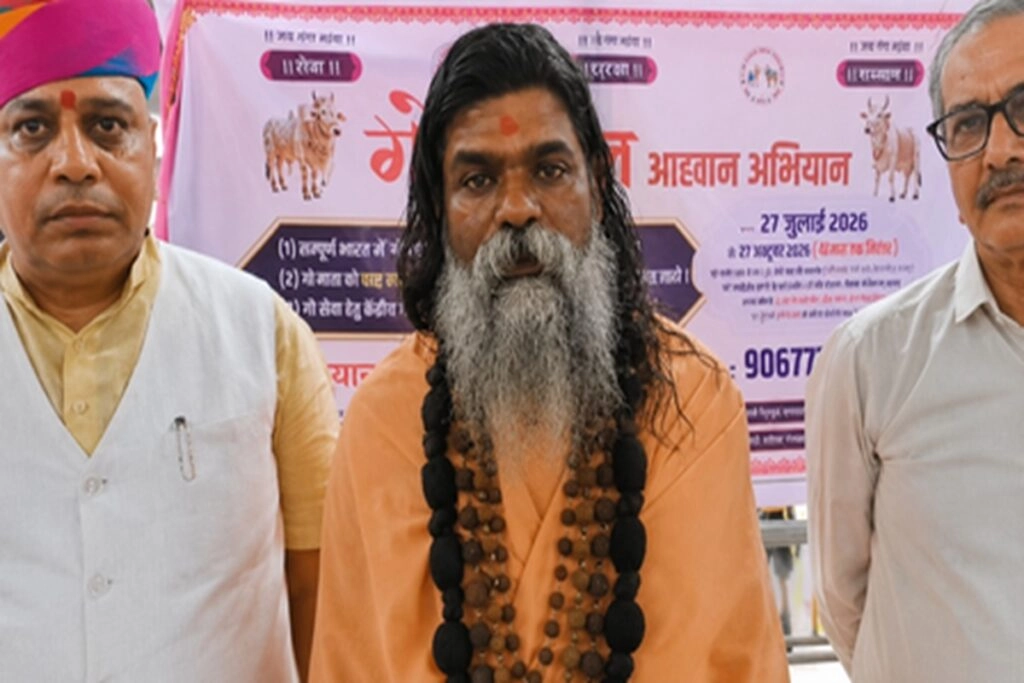
Gopalanand Saraswati, a prominent spiritual leader, has advocated for a complete ban on cow slaughter in India, emphasizing the need to confer upon cows the status of “Mother of the Nation.” His views stem from a deep cultural and religious reverence for cows, which are often regarded as sacred in Hinduism. By proposing this status, Saraswati seeks to highlight the significance of cows not only as a source of agricultural support and dairy products but also as a symbol of nurturing and life within the Indian cultural context.
The call for a ban on cow slaughter is rooted in a broader discussion about animal rights, cultural heritage, and ethical treatment. Proponents argue that protecting cows aligns with preserving traditional values and respecting the animals that have historically contributed to human sustenance and livelihood. The reverence for cows transcends mere economic benefits; it embodies a spiritual connection that many communities feel towards these animals, viewing them as vital to both their agricultural practices and their religious beliefs.
Saraswati’s stance has sparked considerable debate within society, as it intersects with various socio-political issues, including dietary choices, religious freedoms, and economic implications for communities reliant on cattle farming. While supporters praise the idea of elevating cows to a revered status, critics often point out the complexities involved, including the dietary habits of diverse populations and the economic challenges that could arise from such a ban. Nonetheless, the discussion remains a crucial part of India’s ongoing dialogue about animal rights, cultural identity, and ethical governance.
In conclusion, Gopalanand Saraswati’s call for a complete ban on cow slaughter and the recognition of cows as “Mother of the Nation” reflects a significant cultural sentiment within India. As society grapples with these issues, the dialogue serves as a reminder of the intricate relationship between humans and animals, urging us to consider ethical practices that honor that bond while navigating the challenges of modernity.