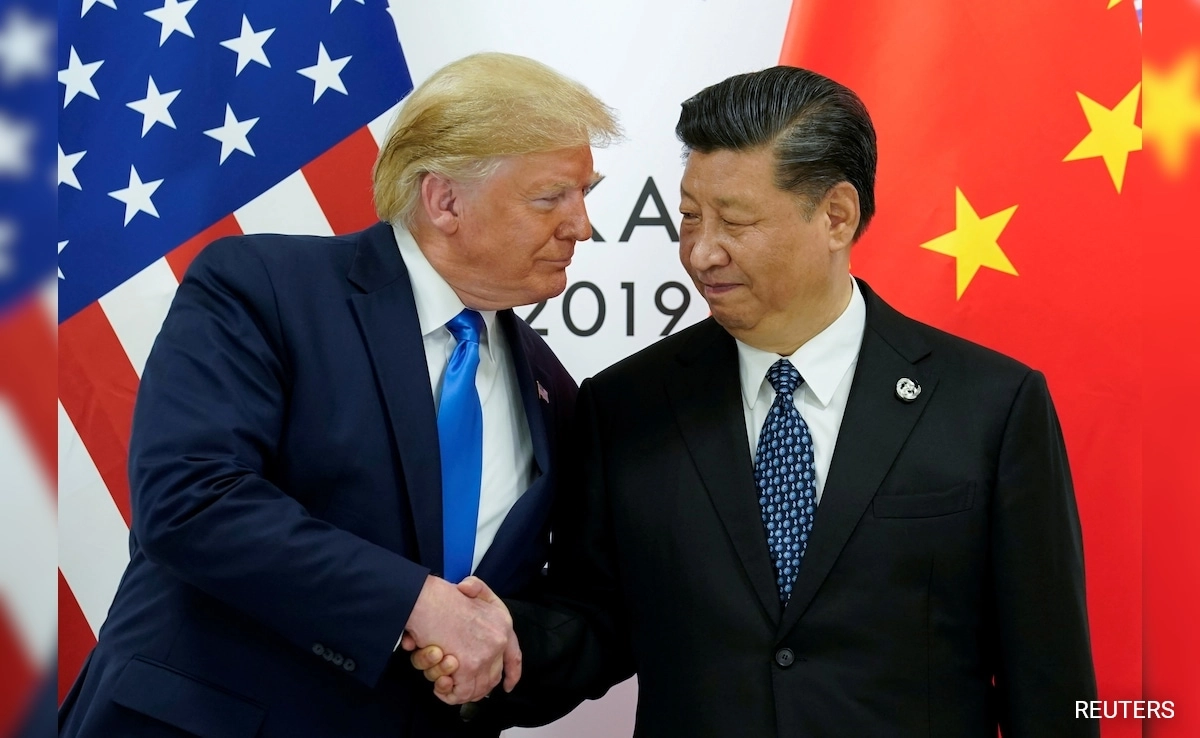
Following India’s recent outreach efforts, China has publicly called on European nations to stand against what it describes as American “bullying.” This appeal comes against the backdrop of escalating tensions between China and the United States, particularly in the context of trade disputes, diplomatic conflicts, and military posturing in the Asia-Pacific region. China’s government has expressed concern over what it perceives as the United States’ attempts to exert influence over European nations, urging them to foster a more independent foreign policy that resists American pressure.
Beijing’s call to Europe reflects a strategic shift in its diplomatic approach, recognizing the significance of European partnerships in countering U.S. dominance. This initiative aims to strengthen ties with European countries, encouraging them to prioritize their national interests over aligning with the U.S. agenda. China argues that American policies often lead to global instability and economic challenges, which could adversely affect Europe. By presenting itself as a potential ally in promoting a multipolar world, China seeks to position itself as an alternative to U.S. hegemony, emphasizing cooperation over confrontation.
The timing of this appeal is particularly noteworthy, as it comes on the heels of a series of high-level meetings between Indian and European leaders aimed at enhancing economic and strategic collaboration. India, which has been increasingly vocal about its own sovereignty in the face of external pressures, serves as a valuable partner for both China and Europe in navigating the complexities of global geopolitics. China’s outreach to Europe could also be seen as an attempt to exploit any potential rifts between European nations and the U.S., especially as Europe grapples with its own internal challenges and seeks to assert greater autonomy in international affairs.
In essence, China’s call for European resistance to American pressure underscores a broader strategic competition between major global powers. As nations like India and China seek to redefine their roles on the world stage, the responses from European countries will be crucial. Their choices could either reinforce the existing power dynamics dominated by the U.S. or pave the way for a more diversified international order where multiple voices and interests are represented. This evolving landscape will undoubtedly shape the future of global diplomacy and trade, highlighting the need for careful navigation of alliances and partnerships in an increasingly complex world.