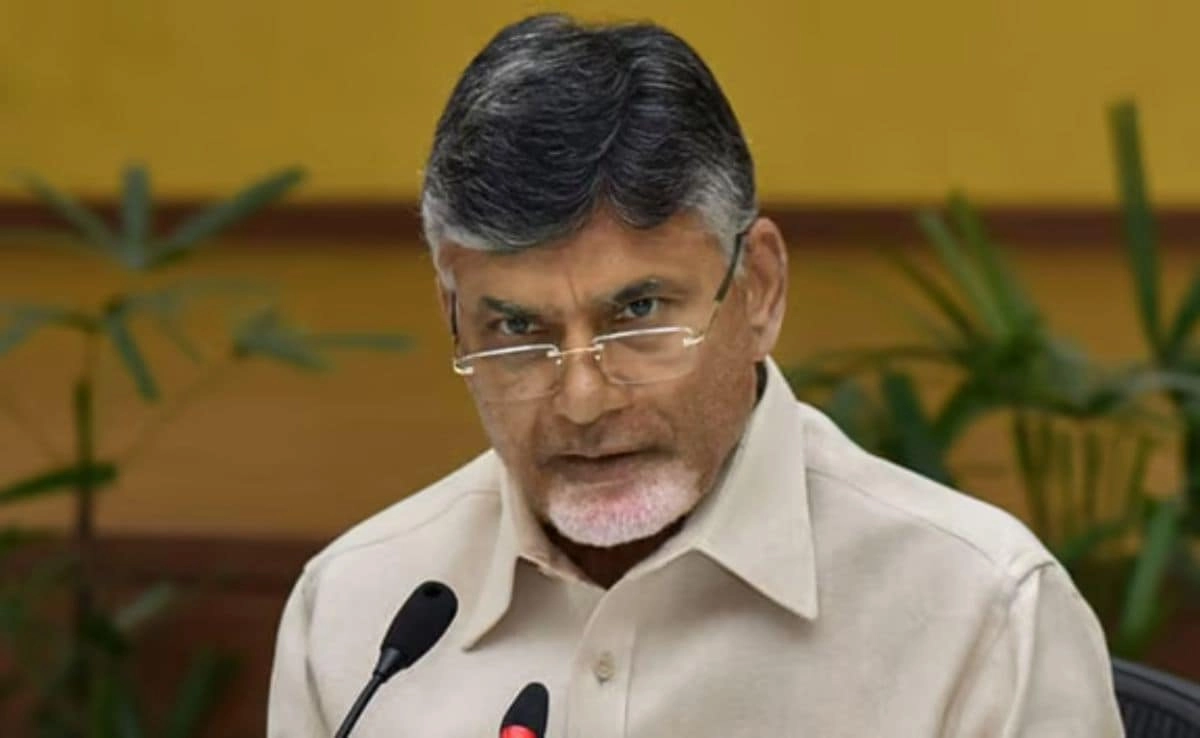
Chandrababu Naidu, a prominent Indian politician and the former Chief Minister of Andhra Pradesh, has recently expressed strong support for the Goods and Services Tax (GST) reforms, labeling them as a “pro-poor, growth-oriented decision.” His endorsement underscores the significance of GST in reshaping the economic landscape of India, particularly in addressing the needs of the underprivileged while also promoting overall economic growth. By streamlining the tax system and reducing the complexities associated with multiple taxation layers, GST aims to create a more equitable and efficient economic environment.
Naidu’s praise for GST highlights its potential to create a level playing field for businesses, particularly small and medium enterprises (SMEs) that often struggle with the burden of compliance under the old tax regime. By simplifying tax procedures and ensuring transparency, GST can reduce the financial strain on these businesses, allowing them to invest more in growth and innovation. Furthermore, the implementation of GST paves the way for better revenue collection by the government, which can subsequently be directed towards welfare programs aimed at uplifting the poor and marginalized sections of society.
The pro-poor aspect of GST is particularly significant in a country like India, where economic disparities remain a pressing concern. With the introduction of GST, the government can potentially increase its revenue base, thereby enabling it to fund essential services such as healthcare, education, and infrastructure development. These improvements can have a direct positive impact on the lives of the economically disadvantaged, fostering an environment where they can thrive and contribute to the nation’s growth. Naidu’s recognition of these benefits resonates with a broader narrative that emphasizes inclusive growth as a cornerstone of sustainable economic development.
Moreover, Naidu’s endorsement of GST reforms reflects a growing consensus among policymakers and economists regarding the necessity of a unified tax system in promoting economic stability and growth. As India continues to navigate its path towards becoming a $5 trillion economy, reforms like GST are crucial in ensuring that growth is not only rapid but also inclusive. The focus on both pro-poor initiatives and growth-oriented policies encapsulates a holistic approach to economic development, one that seeks to empower all sections of society while driving the nation forward. Overall, Naidu’s support for GST reforms serves as a reminder of the importance of strategic policymaking in achieving equitable economic progress.