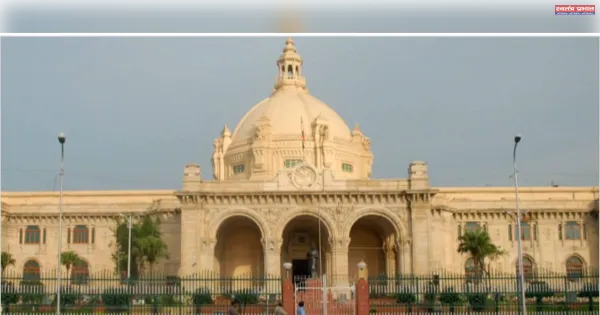
There is an increasing demand for early assembly elections in several states across India, notably in Uttar Pradesh (UP). This call for early elections has been fueled by various political dynamics and the changing landscape of governance in these regions. Political parties, along with their leaders, are voicing their opinions regarding the necessity of conducting elections ahead of schedule, asserting that it would better reflect the current sentiments of the electorate and address pressing issues that have emerged in recent months.
In Uttar Pradesh, where the political stakes are particularly high, the push for early elections can be seen as a strategic move by various parties to capitalize on the prevailing mood among voters. The current administration’s performance, along with rising public concerns over issues such as unemployment, inflation, and social welfare, has led to a growing sentiment that the electorate deserves a chance to express their views through the ballot box sooner rather than later. Political analysts suggest that holding elections earlier could provide a clearer mandate and allow for more responsive governance in addressing the challenges faced by citizens.
Moreover, the call for early elections is not solely limited to Uttar Pradesh; it resonates in other states as well, indicating a broader trend across the country. Political leaders are recognizing the imperative of staying attuned to the public’s needs, particularly in light of recent events that have sparked widespread debate and discussion. As various parties prepare their strategies and campaigns, the potential for early assembly elections presents both opportunities and challenges, shaping the political discourse leading up to the polls. Ultimately, the decision to hold these elections early could significantly influence the future political landscape and governance in these states, ensuring that the voices of the people are heard in a timely manner.