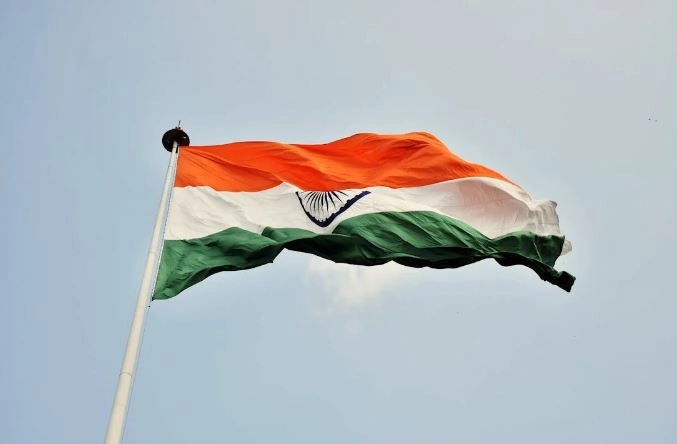
The Indian Cabinet has taken a significant step by approving a proposal to make the disruption of the national song, “Vande Mataram,” punishable by law. This decision underscores the government’s commitment to upholding national pride and cultural heritage. The move aims to address incidents where the song has been disrespected or interrupted, particularly in public spaces or during official functions. By introducing legal repercussions for such disruptions, the government seeks to foster a sense of respect and reverence for “Vande Mataram,” which holds a special place in the hearts of many Indians as a symbol of patriotism and unity.
The proposed legislation is seen as a response to increasing instances of disrespect towards the national song, which has sparked debates about cultural sensitivity and national identity. Supporters of the initiative argue that “Vande Mataram” is not just a song but a powerful expression of India’s ethos and should be treated with utmost respect. They believe that enforcing penalties for its disruption will serve as a deterrent against future incidents and promote a deeper understanding of its significance in the country’s history.
Opponents, however, may raise concerns about freedom of expression and the potential misuse of such laws. They argue that while respect for national symbols is essential, enforcing punishments could lead to overreach and stifle legitimate dissent or artistic expression. The government, in response, emphasizes that the intention behind this move is not to curtail freedoms but rather to protect and celebrate India’s cultural heritage.
As this legislation moves forward, it will likely prompt discussions about the balance between national pride and individual rights. The Cabinet’s decision reflects a broader trend towards reinforcing national identity in a diverse and multicultural society, where symbols like “Vande Mataram” can evoke strong emotions. By making disruptions punishable, the government aims to ensure that such cultural expressions are honored and preserved for future generations.